







Guide Index9 sections
What Ala Industrial Changes and Who It Is For
Ala Industrial provides a complete standalone tech progression system designed for players who enjoy classic resource processing, dedicated power grids, and multiblock engineering. The mod includes 11 power generators, over 20 processing machines, radiation mechanics with Geiger counters and hazmat shielding suits, fluid and steam pipes, auto-crafting and auto-farming blocks, teleporters, electric tools, a jetpack, oil fields with refinery towers, a player skill tree, an in-game guidebook, and localization across 24 languages.
Early-game progression centers on five practical milestones: generating baseline EU power, routing energy across insulated cables, managing directional battery storage, doubling raw ore yields in the Macerator, and constructing the walk-in nuclear reactor chamber.
Supported Versions, Loaders, and Dependencies
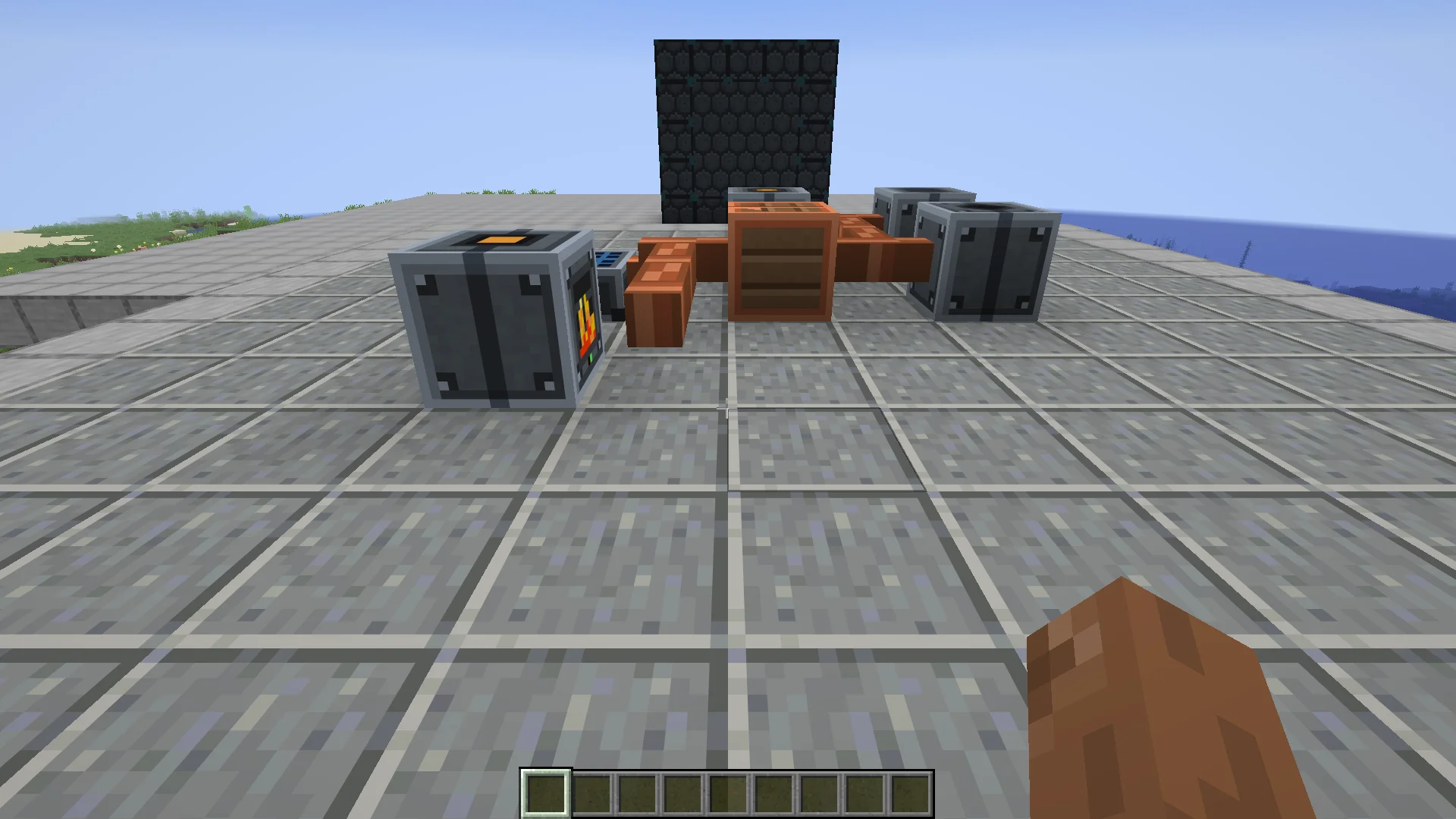
Ala Industrial is available for both Fabric and NeoForge across Minecraft 26.2 and 26.3, requiring Fabric API on Fabric profiles. On Fabric, the mod relies on Team Reborn Energy for energy transfer, which comes bundled inside the jar. NeoForge installations use standard Forge Energy (FE). Installing JEI is recommended to inspect crafting and machine processing recipes in-game.
In-Game Documentation and First Steps
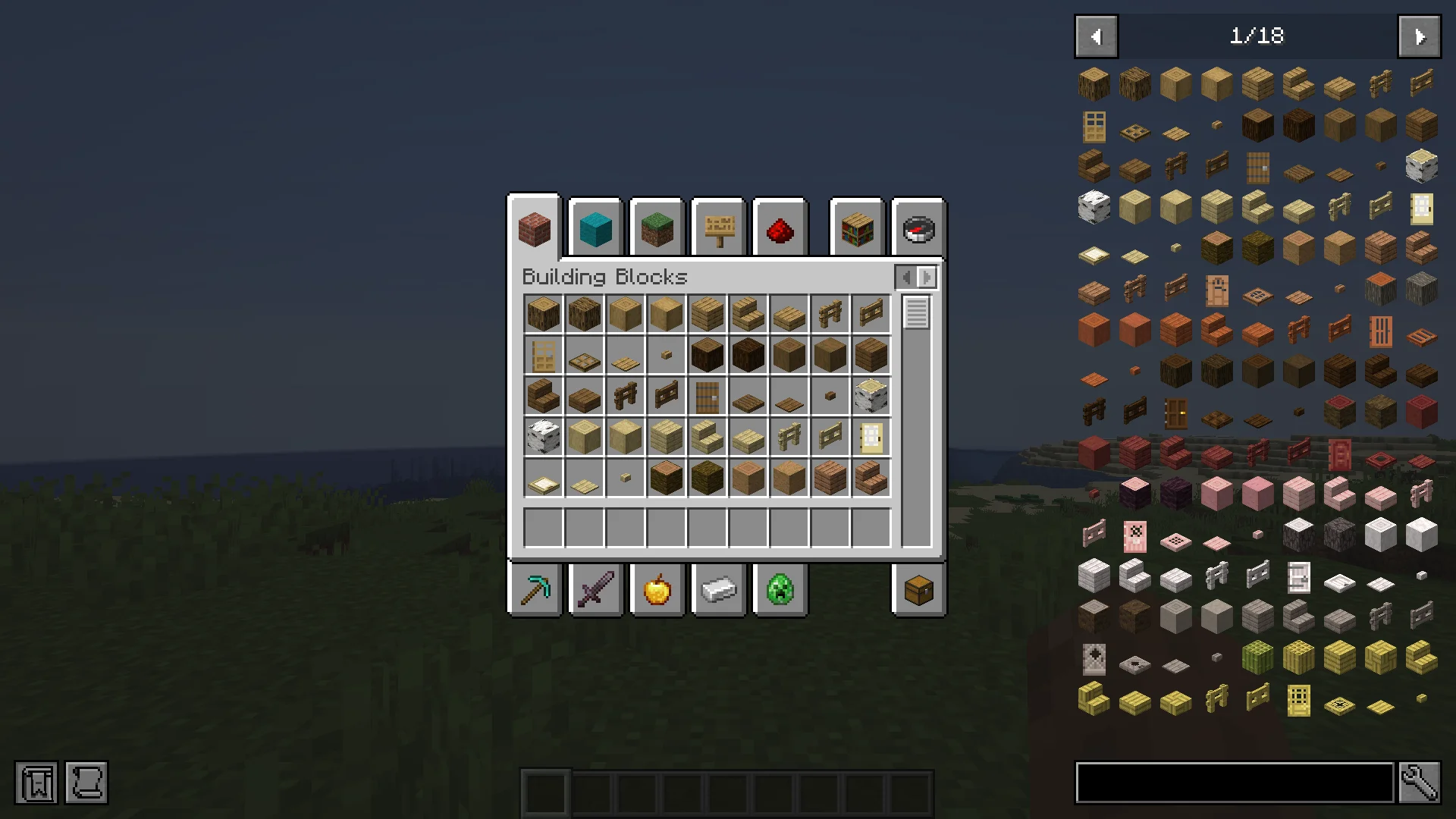
The mod provides a dedicated Guide Book crafted with a vanilla book and tin ore. Opening the book displays a Welcome page followed by ten distinct category tabs: Getting Started, Energy Basics, Oil, Nuclear Power, Energy, Processing, Logistics, World & Automation, Other, and Items. The guide instructs players to start by mining tin ore, placing a Solar Panel or Solid Fuel Generator, routing a copper cable, and hooking up a Macerator.
Early Power Generation and Battery Storage
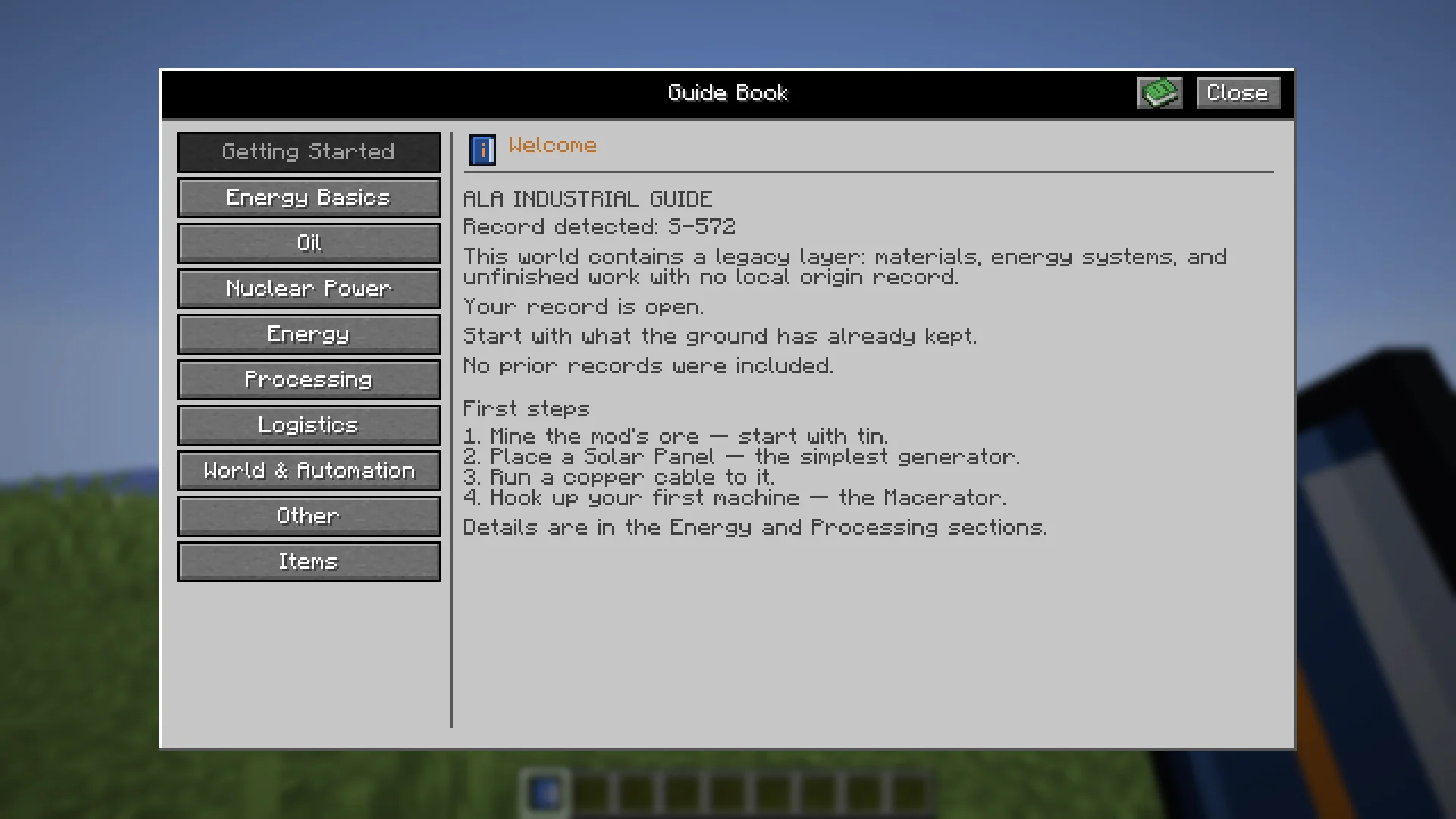
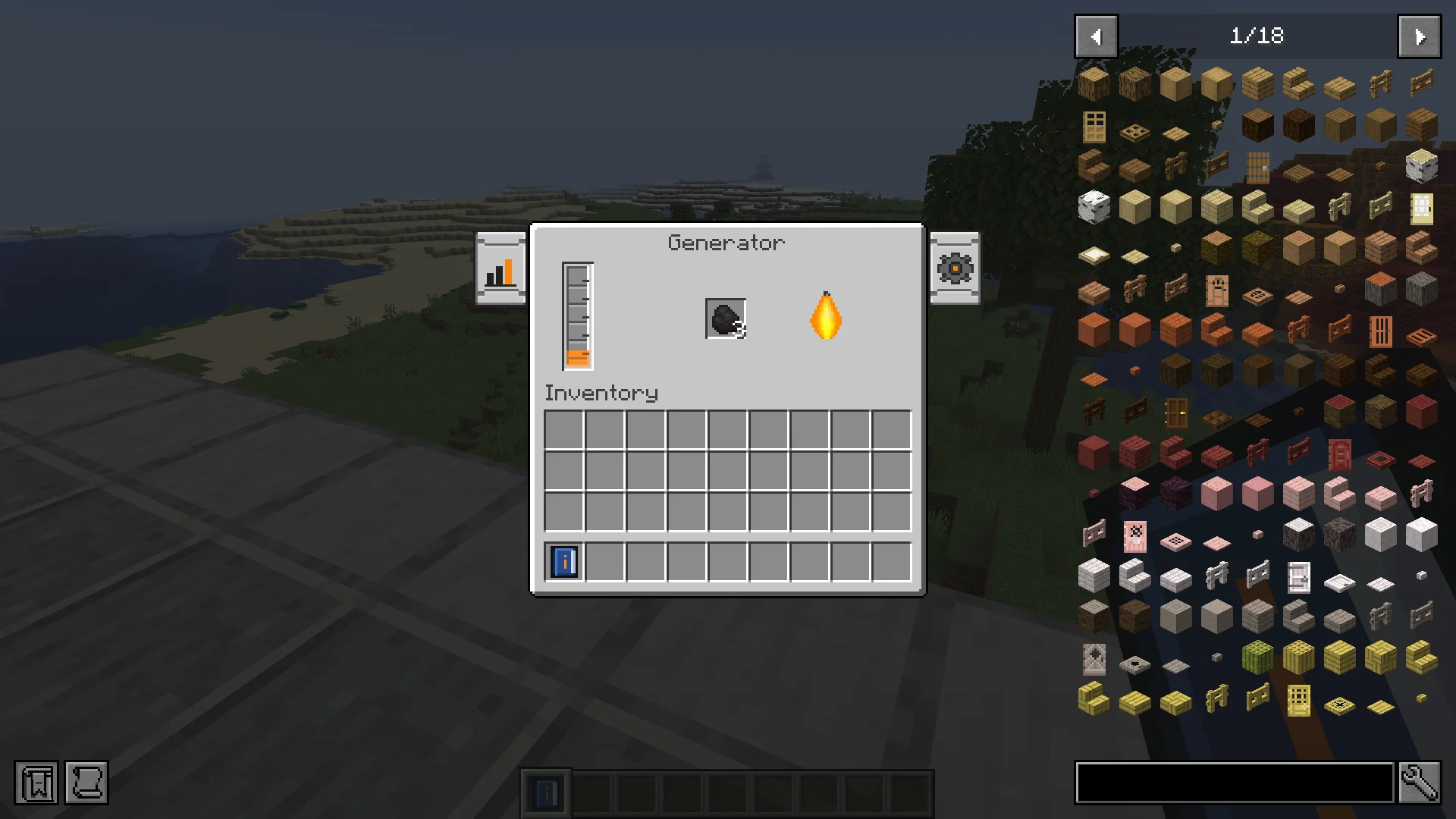
Power in Ala Industrial is measured in Energy Units (EU). Early survival offers two accessible power sources. The Solid Fuel Generator consumes burnable items such as coal, charcoal, or wooden logs, producing 8 EU/t into an internal buffer of 4,000 EU. A single piece of coal burns for 1,600 ticks, providing steady baseload output for early machinery.
For passive generation, the Solar Panel provides 1 EU/t under direct daylight with an 8,000 EU buffer. Because solar output stops during rain and night, pairing generation with dedicated energy storage is necessary.
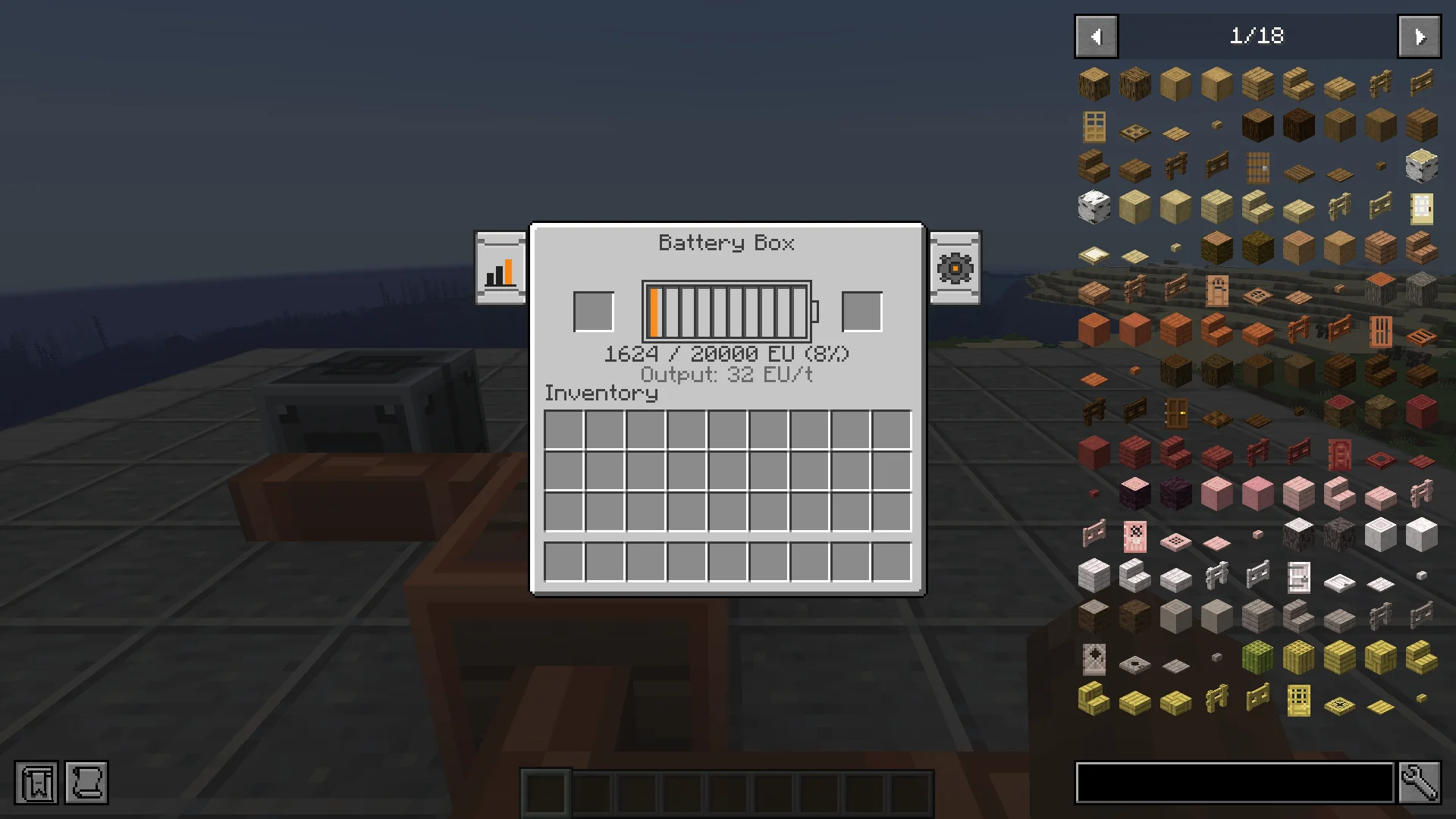
The Battery Box provides 20,000 EU of storage and discharges at an output rate of 32 EU/t. However, energy flow is strictly directional. The front face of the Battery Box acts as the sole energy input. The opposite back face acts as the sole energy output. The top, bottom, left, and right faces reject cable connections entirely. Cables bringing power from generators must meet the front face, while cables running to consumer machines must leave from the back.
Cable Transmission and Connection Rules
Cables transmit power between generators, batteries, and machines. Each cable tier features specific throughput limits and line losses:
- Tin Cable: 8 EU/t throughput cap.
- Copper Cable: 12 EU/t throughput cap with a transmission loss of 0.02 (2% per block).
- Gold Cable: 48 EU/t throughput cap.
- Electrum Cable: 192 EU/t throughput cap.
Machines have a strict facing rule: the front face contains the machine door and controls. Cables cannot connect to the front face of any machine. Power cables must enter through the rear, sides, top, or bottom of the block.
Ore Doubling: Macerator and Electric Furnace
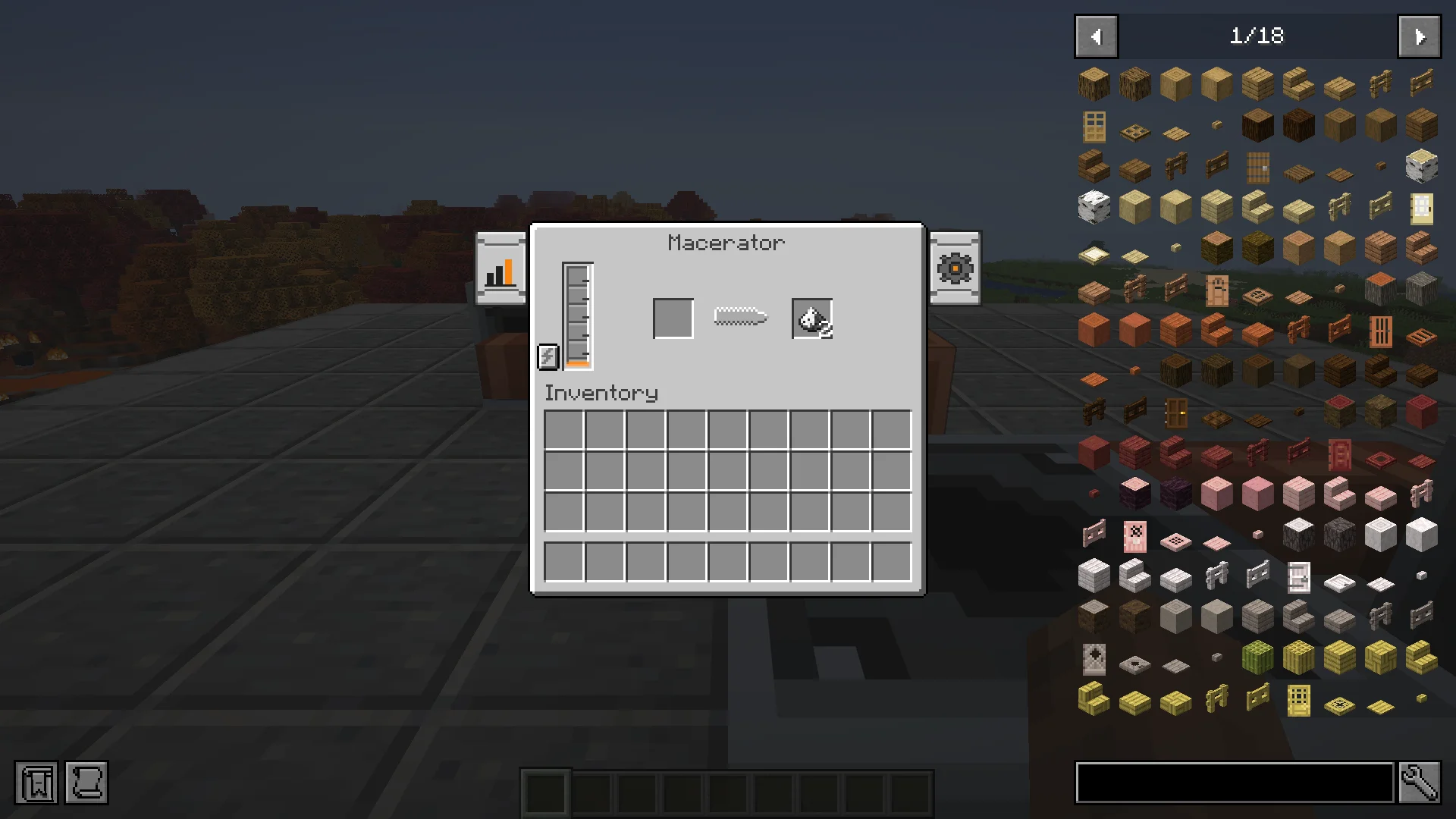
Early resource efficiency centres on the Macerator. The machine contains an 800 EU internal buffer and draws 2 EU/t during operation. A complete grinding cycle takes exactly 150 ticks (7.5 seconds), requiring 300 EU total. Placing 1 raw metal ore (such as raw iron) into the input slot yields 2 metal dusts in the output slot, effectively doubling the yield of mined ore.
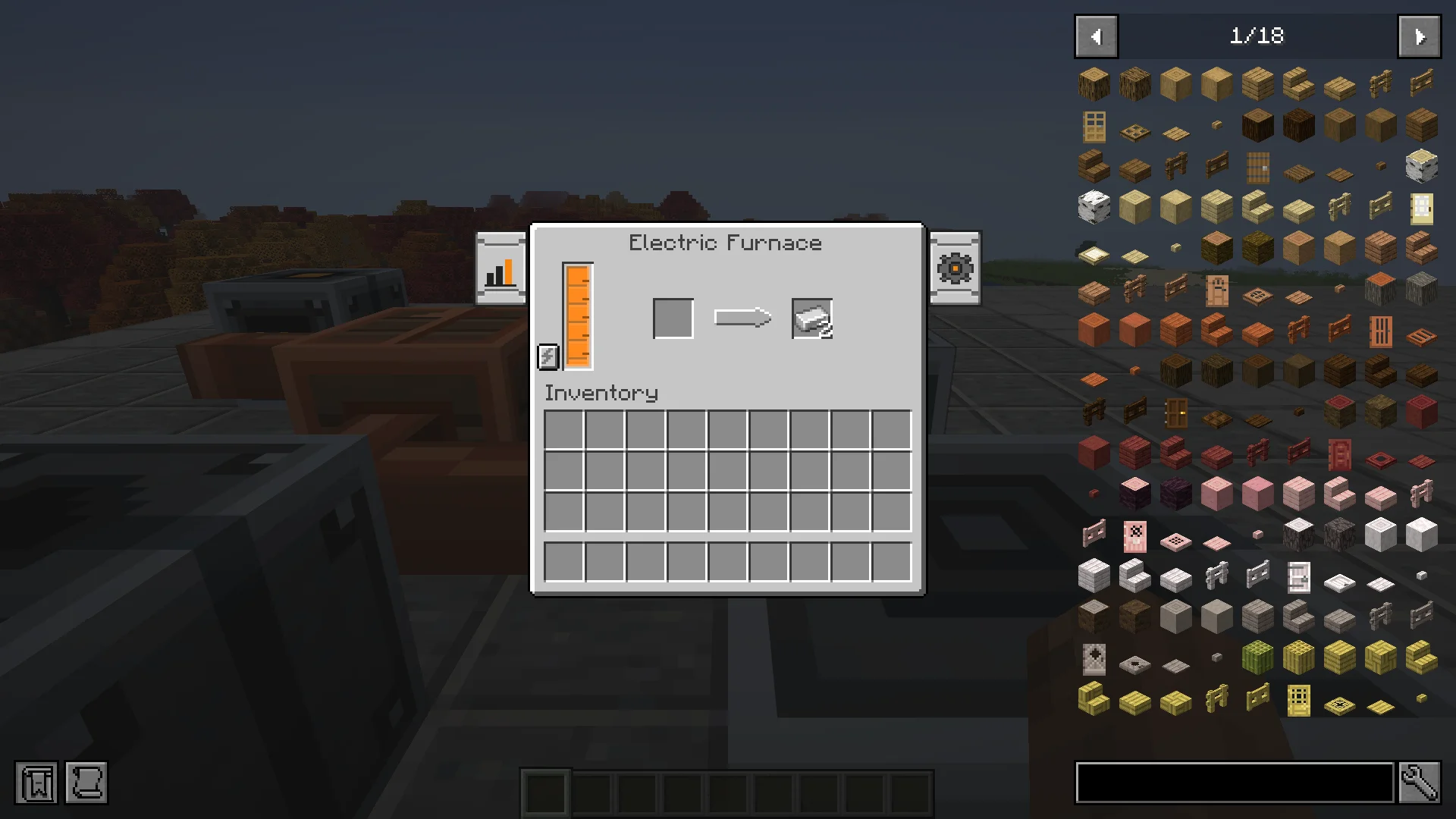
The resulting dusts can be smelted in the Electric Furnace. The Electric Furnace features a 1,000 EU internal buffer, consumes 2 EU/t, and completes each smelting cycle in 100 ticks (5.0 seconds, requiring 200 EU total). Smelting the two iron dusts produces two iron ingots, doubling ingot output compared to traditional furnace smelting.
Modular Walk-In Nuclear Reactor Setup
For advanced power generation, Ala Industrial features a modular walk-in nuclear reactor room. Constructing the room requires a 5x5x5 hollow exterior frame (a 3x3x3 interior room). The exterior walls and roof are built using Reactor Casing and optional Reactor Glass viewing panes. The front wall features a central Reactor Controller. Inside the room, players place Fuel Rod Assemblies, which hold up to 4 fuel rods per column.
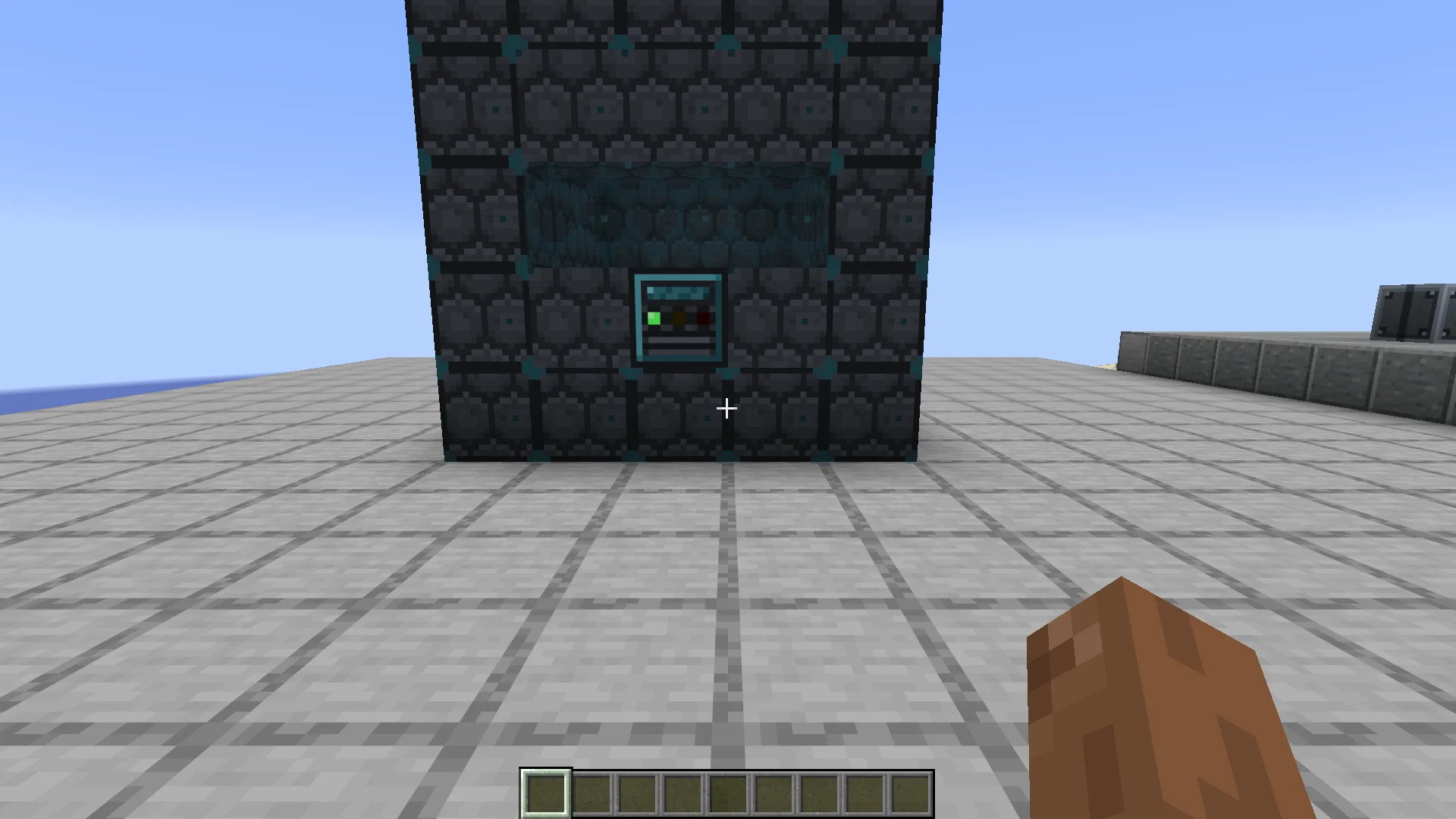
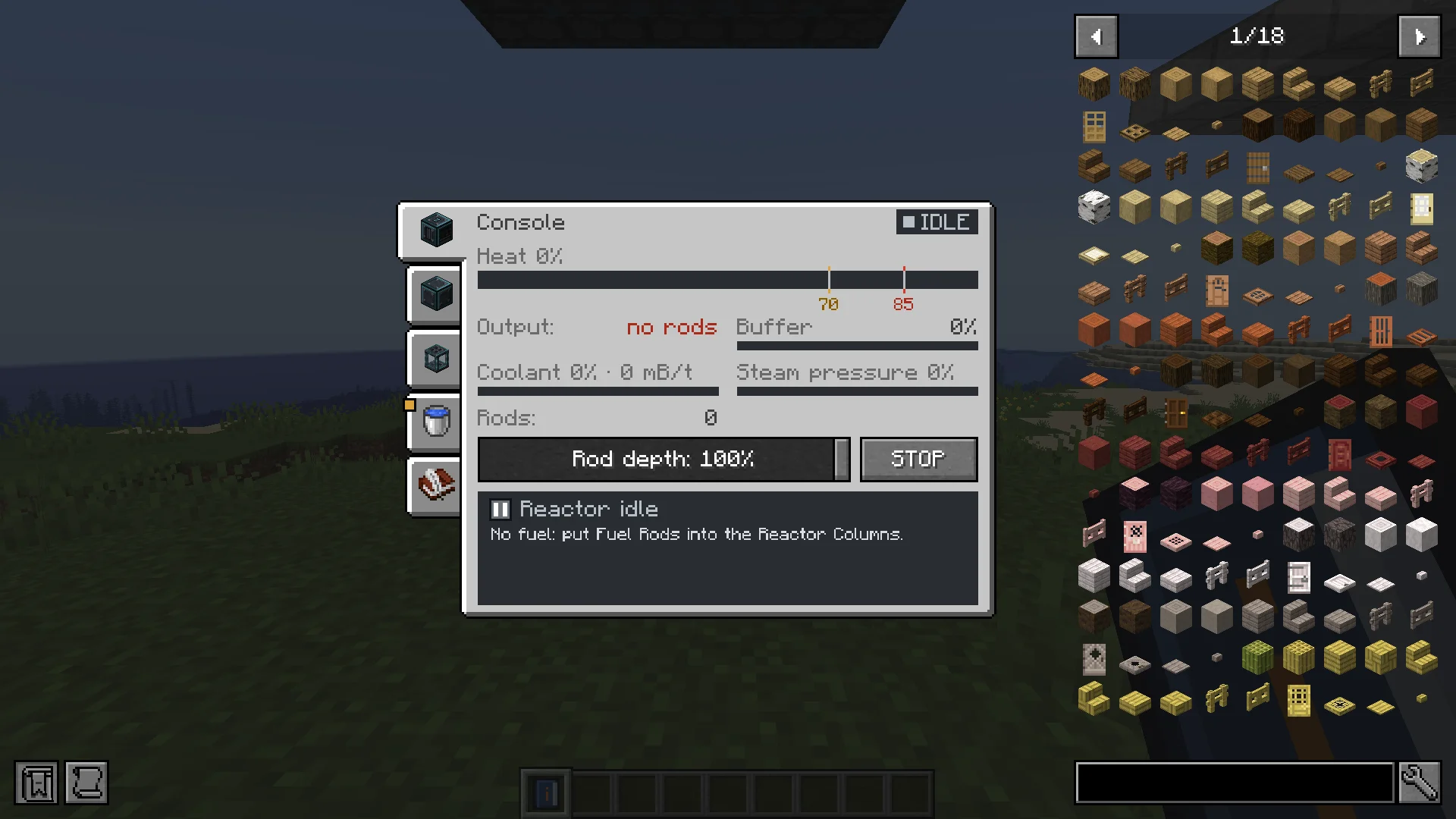
Right-clicking the Reactor Controller opens an interactive five-tab management console containing Console, Room, Core, Coolant, and Log tabs. The console tracks real-time core temperature with heat threshold indicators at 70% and 85%, steam pressure, coolant flow rate, and fuel rod insertion depth. A fully fueled reactor chamber can output up to 512 EU/t (or FE/t on NeoForge), provided coolant circulation keeps core temperature below the 70% and 85% thermal thresholds.
Later Progression: Refinery, Automation, and Logistics
Beyond early processing and fission power, the page states that players can locate natural oil fields and assemble multi-block rectification columns to refine petroleum into plastics and fuel. Advanced progression includes pneumatic item, fluid, and steam pipes, auto-crafting workstations, automated crop harvesting with scythes and trellises, teleporter capsules, electric jetpacks, and full radiation shielding suits. The early-game power grid and ore doubling chain tested here provide the foundational materials needed to pursue these endgame technologies.
Official Downloads
Created by AlaMine teamOfficial release files and documentation published directly by AlaMine team.
ALA INDUSTRIAL MOD GUIDE: ENERGY, ORE DOUBLING & REACTOR SETUP
We do not host any Minecraft mod files directly on this site. We link to official sources to ensure mod developers receive proper credit and support for their work.