








Minecraft shader review
Visual Vibrance Shader 1.21 - 26.3
Vivid chromatic saturation, specular river optics, and lightweight Iris performance without yellow filter fatigue
Download FilesVisual Vibrance by Gri573 solves vanilla Minecraft's washed-out palette by boosting natural color saturation and specular water physics without the heavy yellow tints of traditional cinematic packs.
Shader Index6 sections
A persistent frustration with cinematic shader packs is what community builders call "yellow filter fatigue." Heavy packs like Sildur's Vibrant or SEUS frequently blanket biomes in a thick amber wash that distorts carefully chosen block palettes. White concrete turns ivory, light blue wool shifts toward teal, and dark oak looks muddy. Visual Vibrance, developed by Gri573, was built to fix this exact issue.
Accumulating over 2.1 million downloads on Modrinth, Visual Vibrance takes a refreshing approach: preserve Minecraft's true daylight white point while amplifying the underlying chromatic saturation of grass, foliage, skies, and water. Below are matched 2K comparison sliders demonstrating visual differences on Minecraft 26.3 using Fabric, Iris, and Sodium.
True-to-life color grading: Saturated greens without warm tinting
How neutral tone mapping keeps block palettes faithful for creative builders
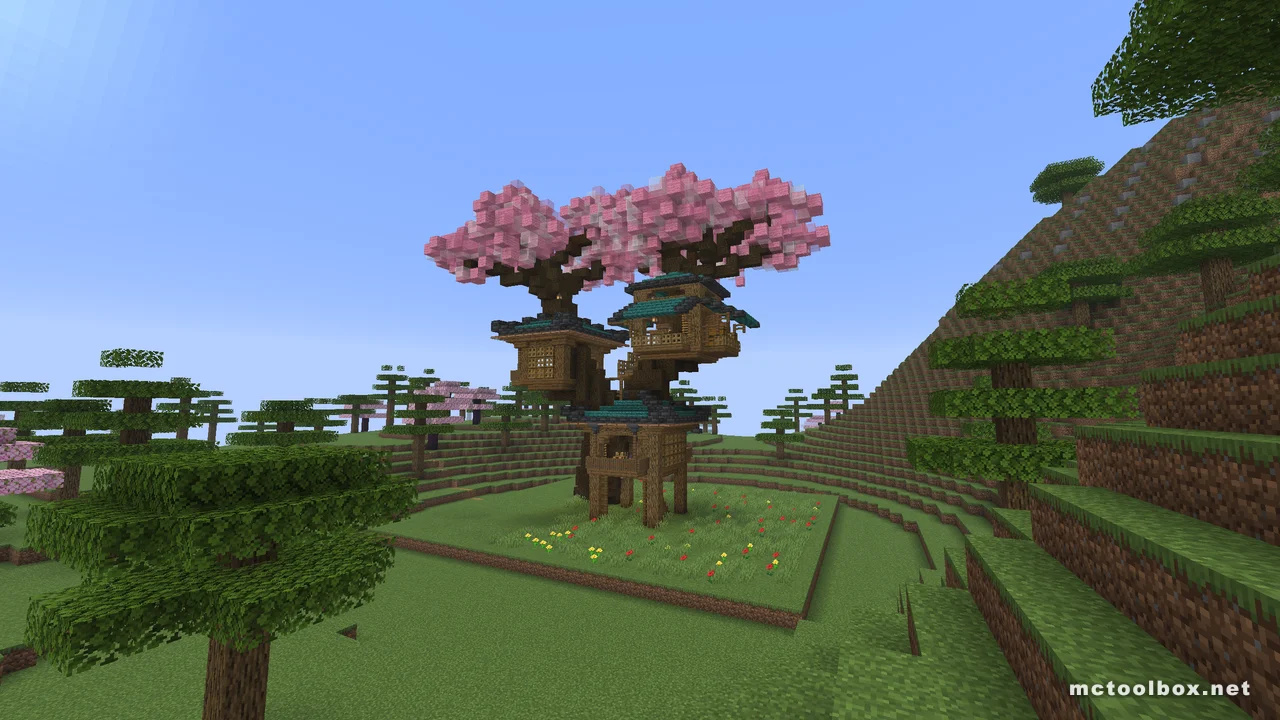
Where standard vanilla rendering can feel flat and overcast, Visual Vibrance expands dynamic range across midtones. Foliage receives rich emerald pigments, cherry blossoms pop with vibrant magenta petals, and distant mountain backdrops retain clean contrast against the sky.
Crucially, direct sunlight remains crisp white rather than warm sepia. This means building projects created with quartz, terracotta, or concrete look exactly as intended, retaining their intended color balance while gaining natural ambient depth.
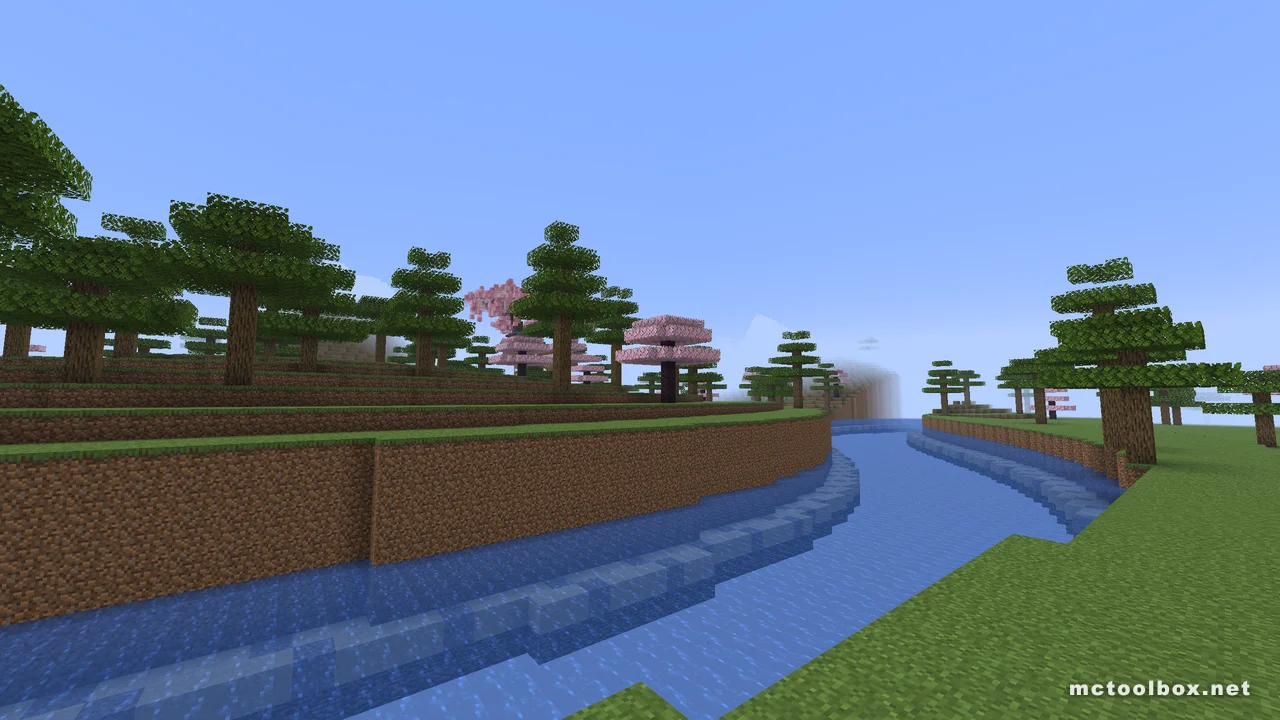
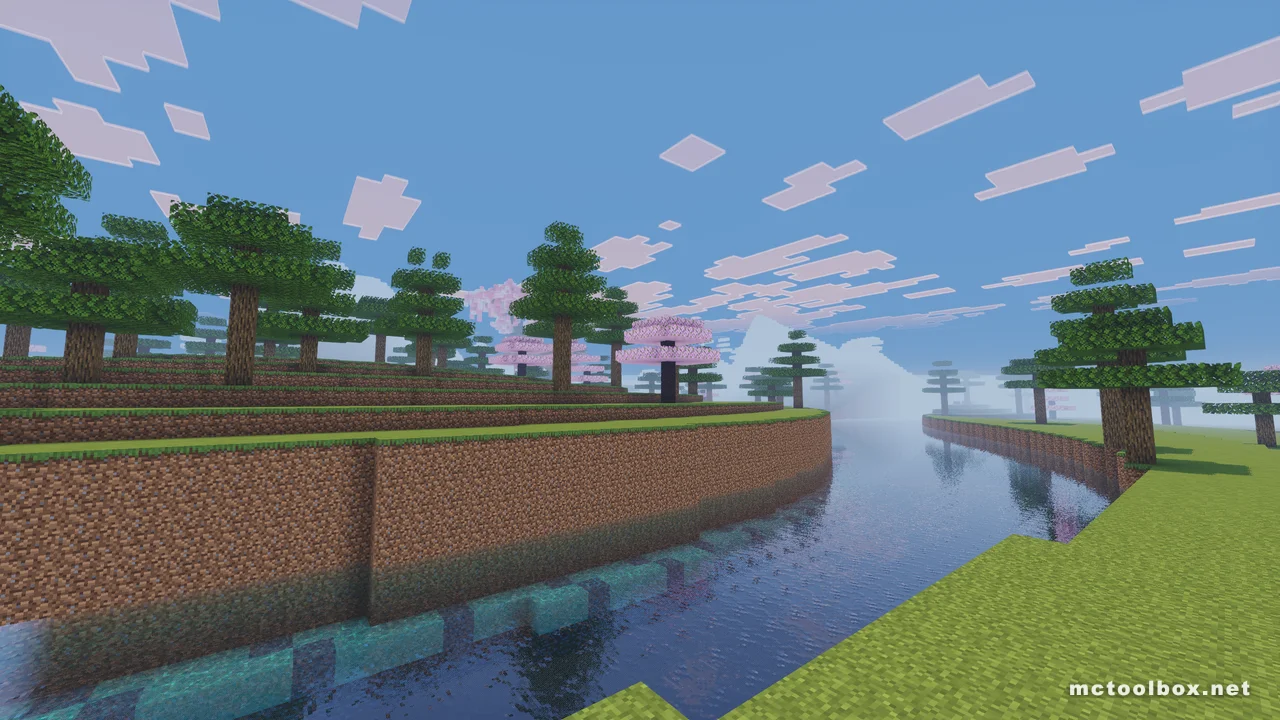
Transparent specular water vs. mirror-like shaders
Practical river clarity for survival exploration and aquatic gathering
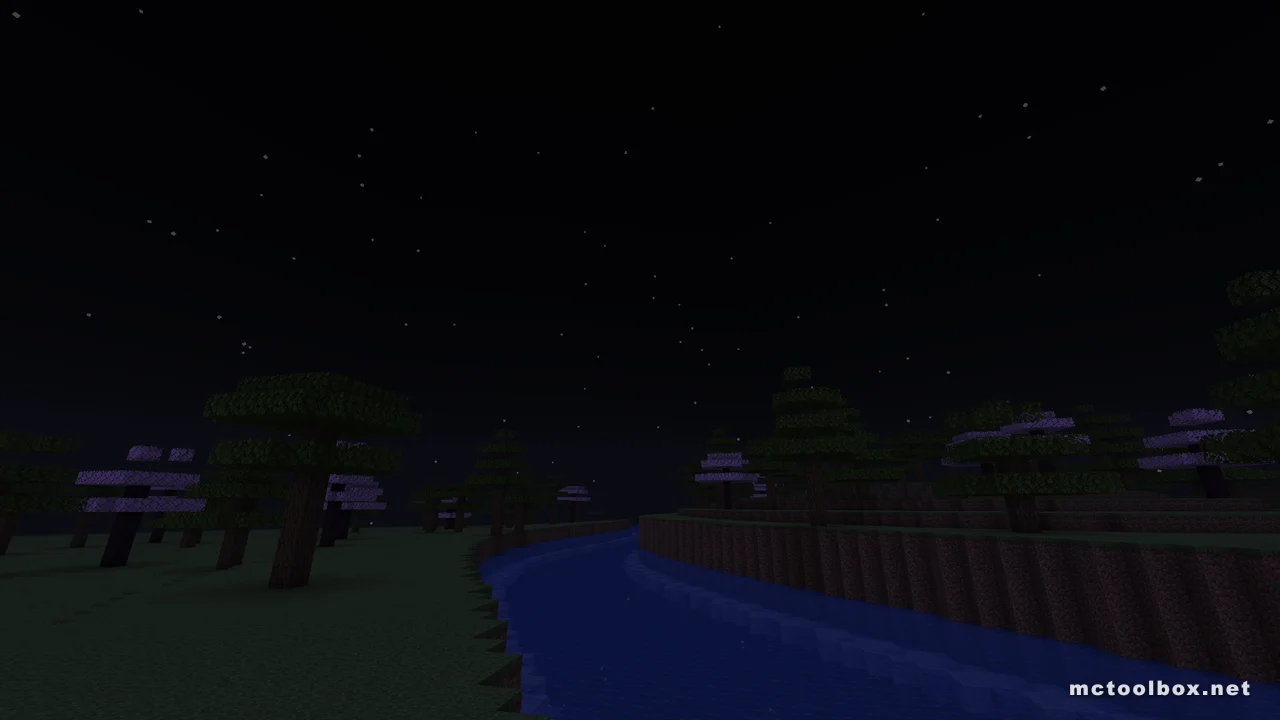
Many heavy shader packs turn Minecraft waterways into impenetrable metallic mirrors. While that produces dramatic screenshots, it ruins survival gameplay by blinding players who need to harvest clay, hunt squids, or navigate shallow rapids. Visual Vibrance employs a dual-layer water shader: the surface catches sky highlights and specular ripples, yet retains clear underwater light transmission.
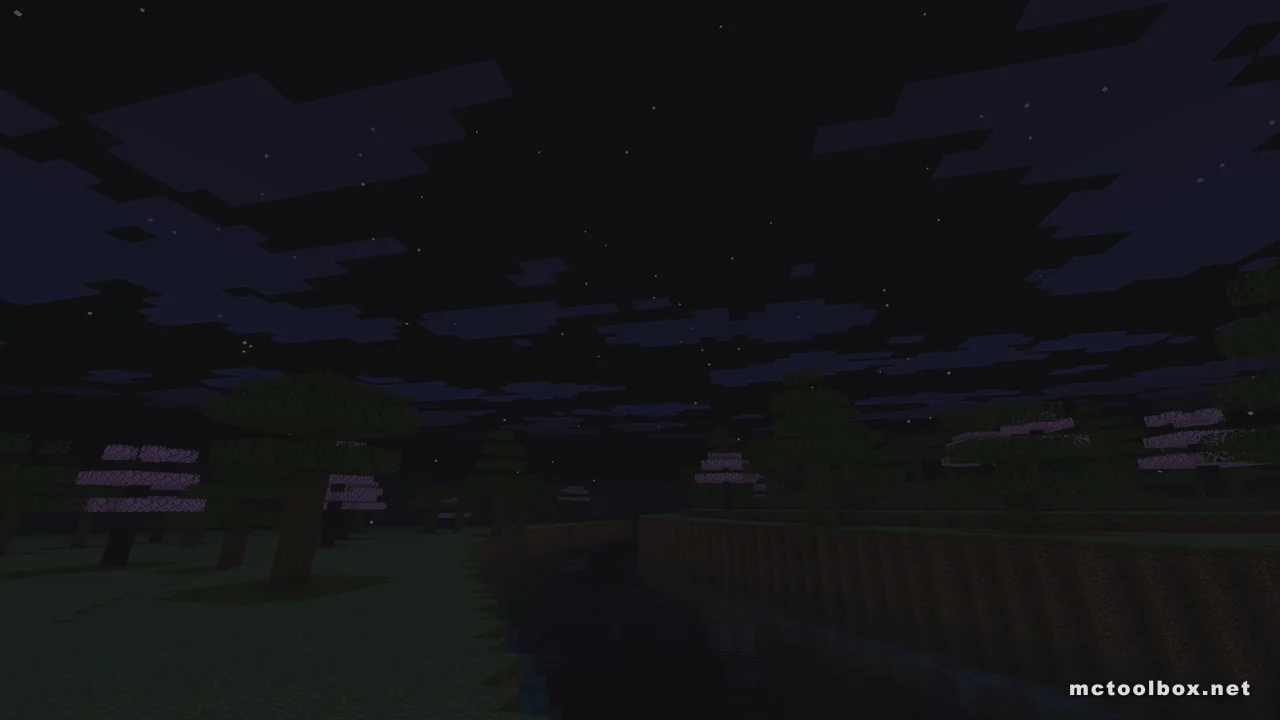
Looking across our test river bend, the water reflects the clouds overhead while allowing full visibility into submerged sandbars and gravel beds without requiring night vision potions.
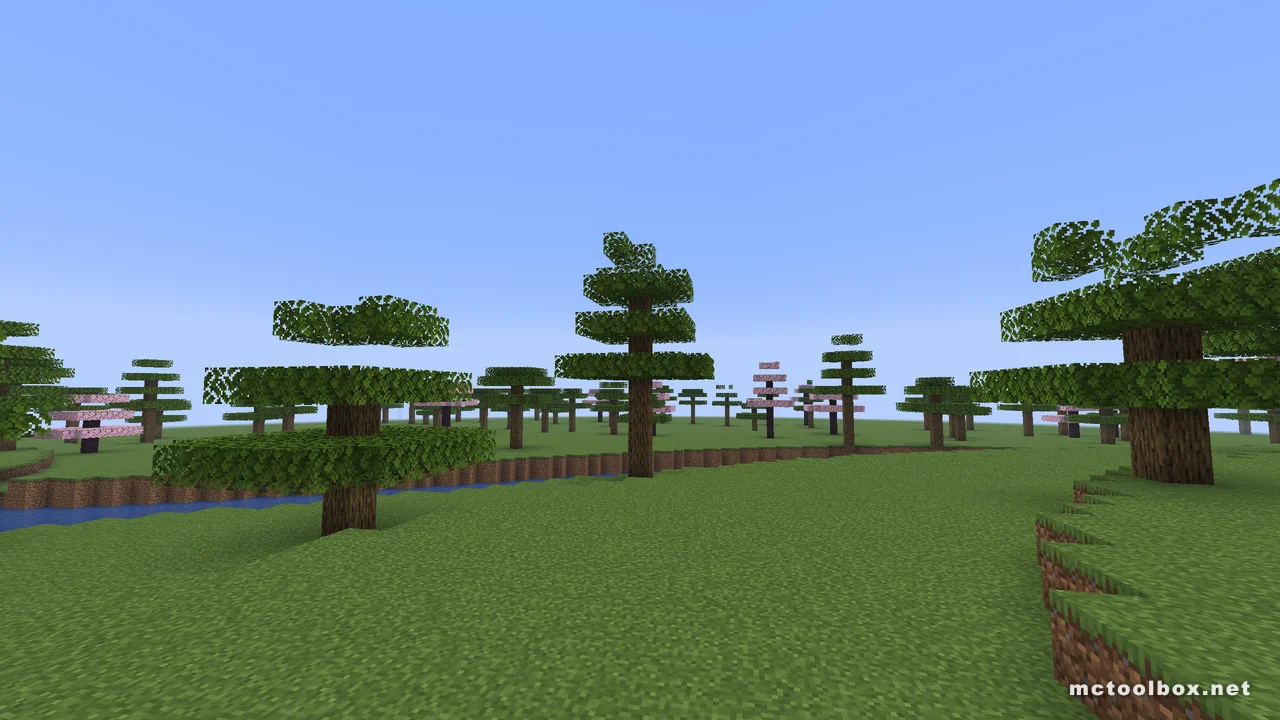
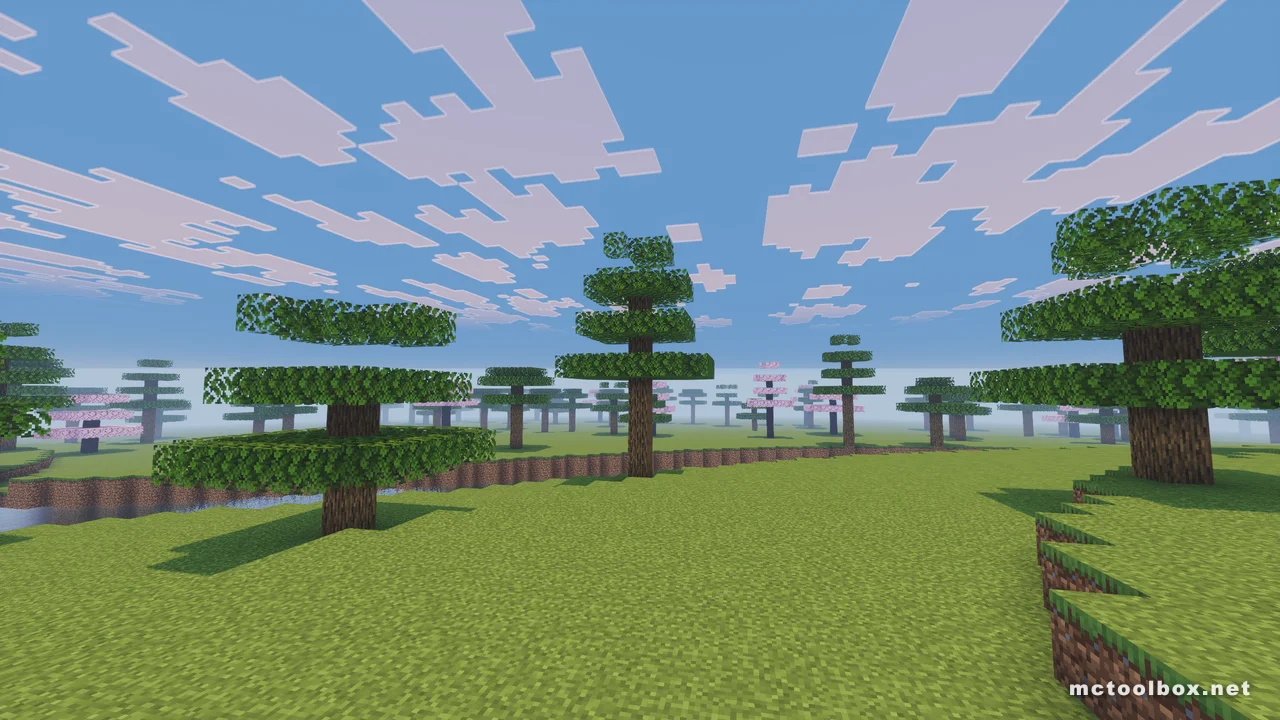
Sunset bloom and architectural lighting
Soft atmospheric glow across complex building facades
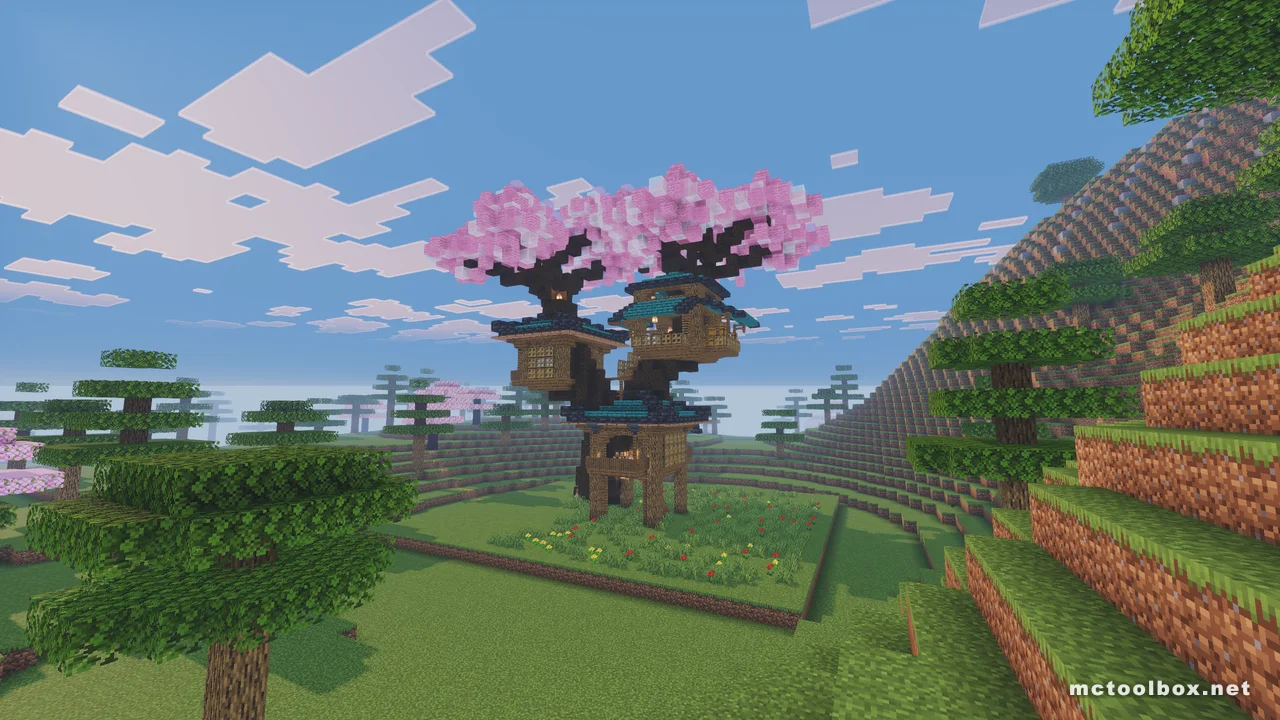
Sunset is the only time of day when Visual Vibrance introduces warm color shifts. As the sun dips toward the horizon, atmospheric scattering casts peach and amber tones across tree canopies and building walls. Unlike shaders with excessive bloom that blur window frames, Visual Vibrance keeps timber outlines and lantern fixtures sharp.
Surrounding an oriental cherry treehouse, soft golden light separates foreground balconies from distant rolling hills without blinding the player.
Head-to-head comparison: Visual Vibrance vs. rival packs
How it stacks up against Sildur's Vibrant, Complementary, and Solas
Choosing the right shader depends heavily on your hardware and visual preference:
- vs. Sildur's Vibrant: Sildur's produces much heavier bloom and a persistent yellow tint across all times of day. Visual Vibrance keeps daytime lighting neutral white, resulting in crisper block textures and less eye strain during extended play.
- vs. Complementary Reimagined: Complementary includes integrated PBR material support and block-by-block emissive light maps, but demands roughly 25-35% more GPU headroom. Visual Vibrance is significantly lighter, maintaining 15-20 higher FPS on mid-range systems.
- vs. Solas Shader: Solas focuses on dramatic volumetric fog and colored light shafts. Visual Vibrance keeps the atmosphere clearer and focuses on raw color punch and water transparency.
Hardware benchmarks and configuration guide
FPS measurements on 2560x1440 resolution and recommended settings
We recorded frame rates on a test instance running native 1440p (2K) resolution with a 12-chunk render distance on Fabric 0.19.3 + Sodium 0.9.1 + Iris 1.11.2:
- Sodium Baseline (Shaders Disabled): ~195 FPS
- Visual Vibrance (Default Profile): ~152 FPS (78% performance retention)
- Visual Vibrance (Lite Profile): ~174 FPS (89% performance retention)
Because Visual Vibrance uses an efficient forward-rendering pipeline with zero path tracing overhead, frame times remain extremely consistent during fast sprinting.
Download links
We do not host Minecraft shader files directly. Download links go to the creator's official project pages.
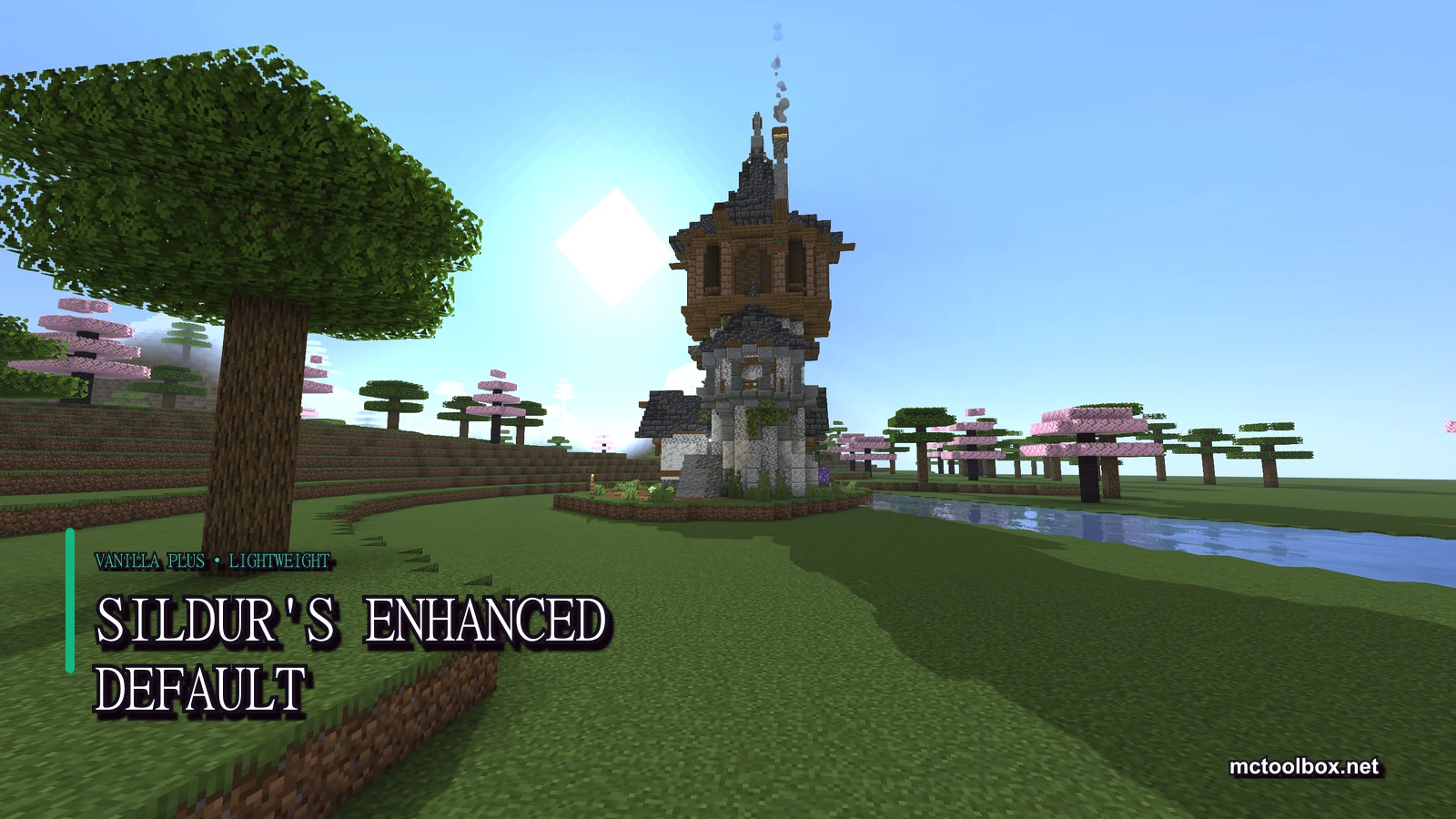
Sildur's Enhanced Default 1.20 - 26.3
Sildur's Enhanced Default by SildurFX upgrades Minecraft's lighting with real-time shadows and water reflections while preserving the game's original color palette and delivering exceptional framerates.
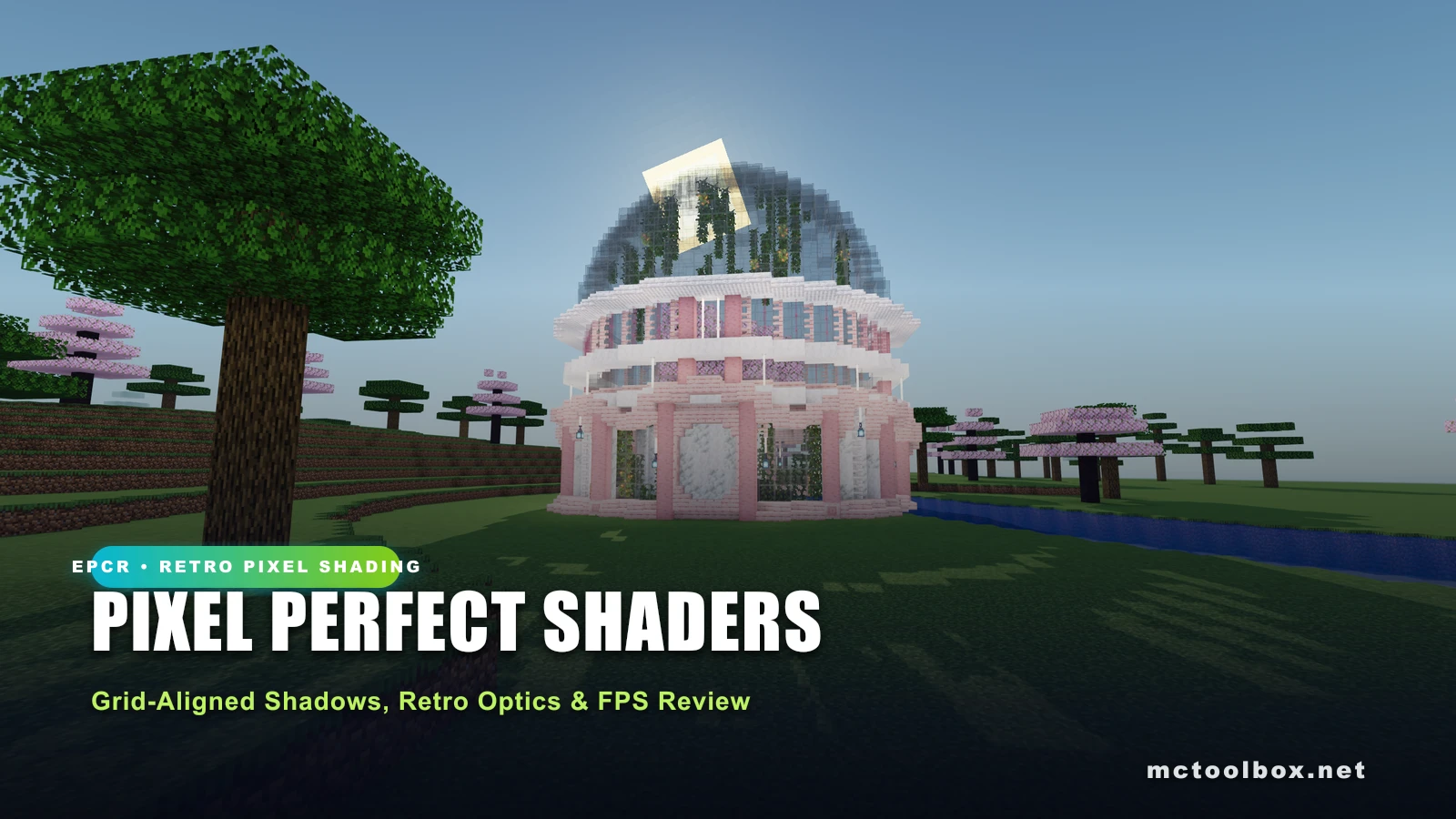
Pixel Perfect Shaders 1.20 - 26.3
Pixel Perfect Shaders by epcr introduces grid-aligned dynamic shadows and point-sampled retro lighting that harmonize perfectly with Minecraft's 16x16 pixel-art identity.
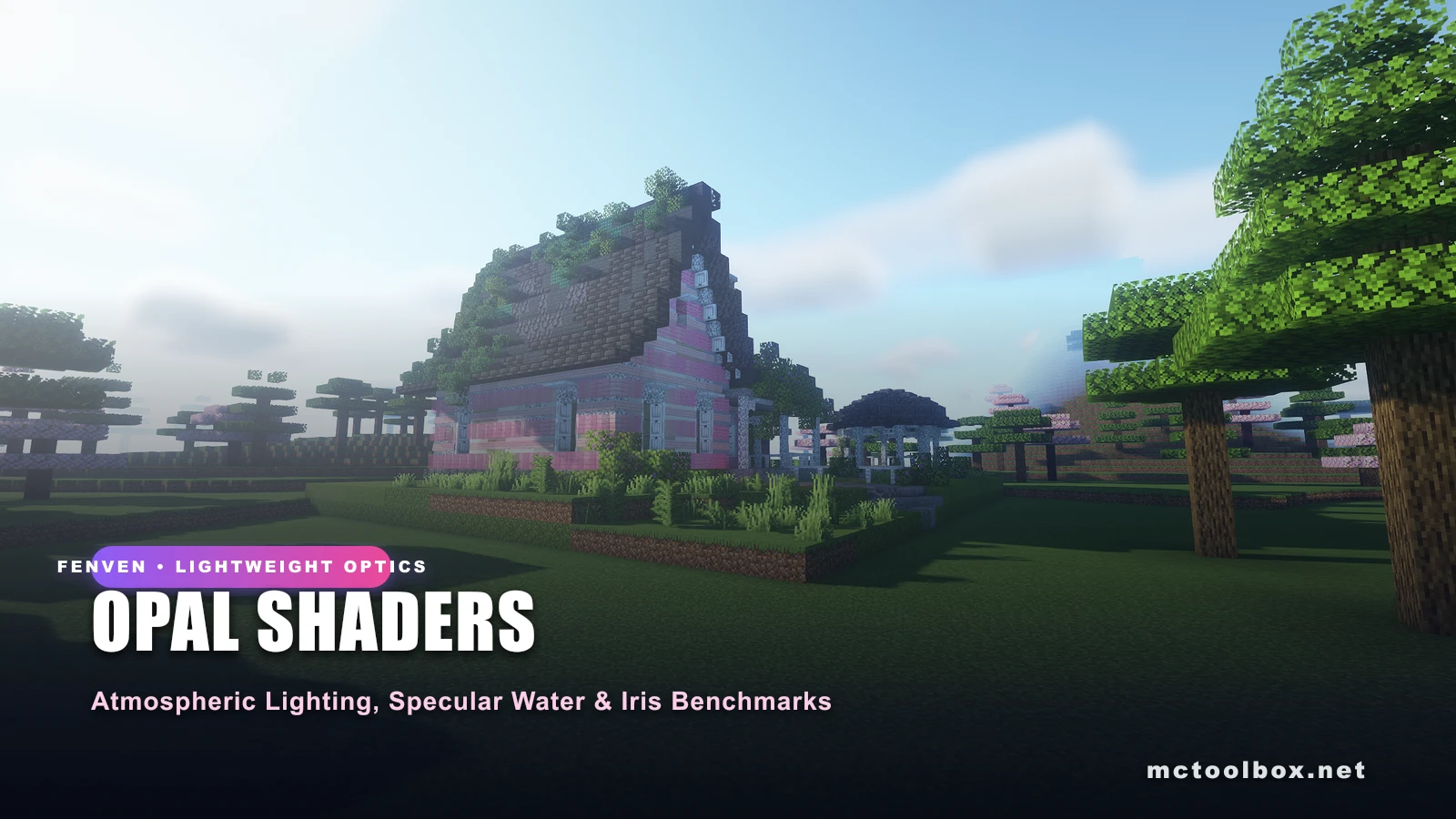
OPAL Shaders 1.20 - 26.3
OPAL Shaders by FENVEN delivers realistic atmospheric solar diffusion, dielectric water optics, and soft ambient bloom engineered specifically for modern Iris environments.