








Minecraft shader review
OPAL Shaders 1.20 - 26.3
Atmospheric solar diffusion, dielectric water physics, and Iris optimization by FENVEN
Download FilesOPAL Shaders by FENVEN delivers realistic atmospheric solar diffusion, dielectric water optics, and soft ambient bloom engineered specifically for modern Iris environments.
Shader Index6 sections
Finding a shader pack that delivers modern atmospheric lighting without demanding an RTX 4080 is an ongoing challenge for Minecraft players. Heavy path-traced packs produce gorgeous lighting but drag frame rates down, while older vanilla-plus shaders often render flat, lifeless skies. OPAL Shaders, developed by FENVEN with over 360,000 downloads on Modrinth, targets the sweet spot: bringing soft atmospheric solar diffusion and dielectric water physics into an ultra-fast forward-rasterized shader pipeline.
We deployed OPAL Shaders v1.2.0 into our isolated Minecraft 26.3 benchmarking testbed on Fabric 0.19.3, Iris 1.11.2, and Sodium 0.9.1. Below is our hands-on analysis with matched 2K slider comparisons captured at identical game ticks.
Atmospheric light scattering: eliminating harsh sun glare
How calibrated Rayleigh diffusion softens voxel edges across expansive biomes
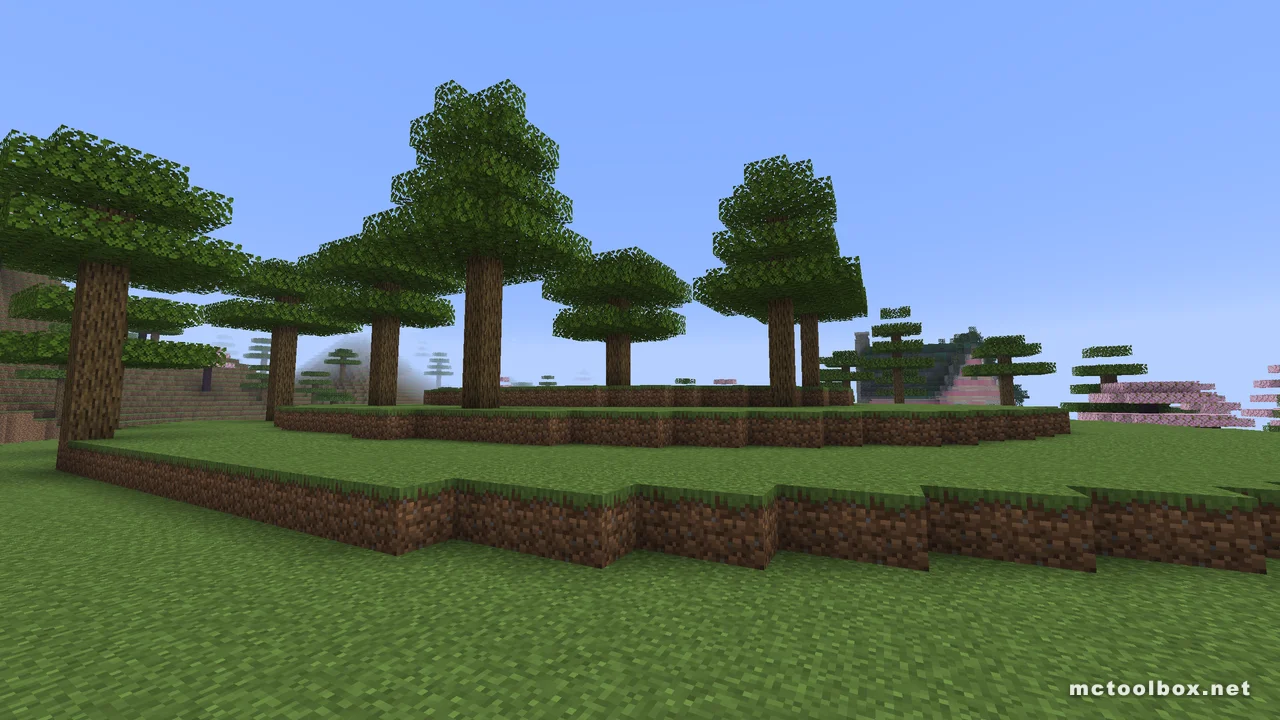
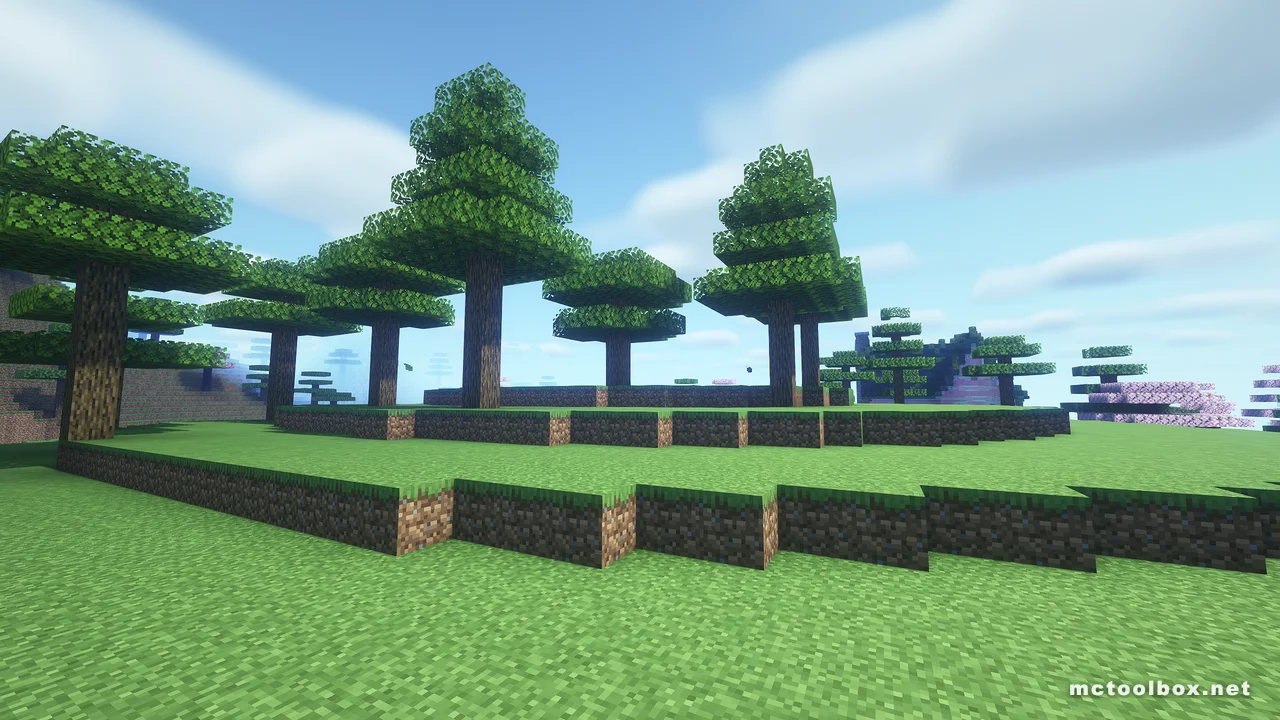
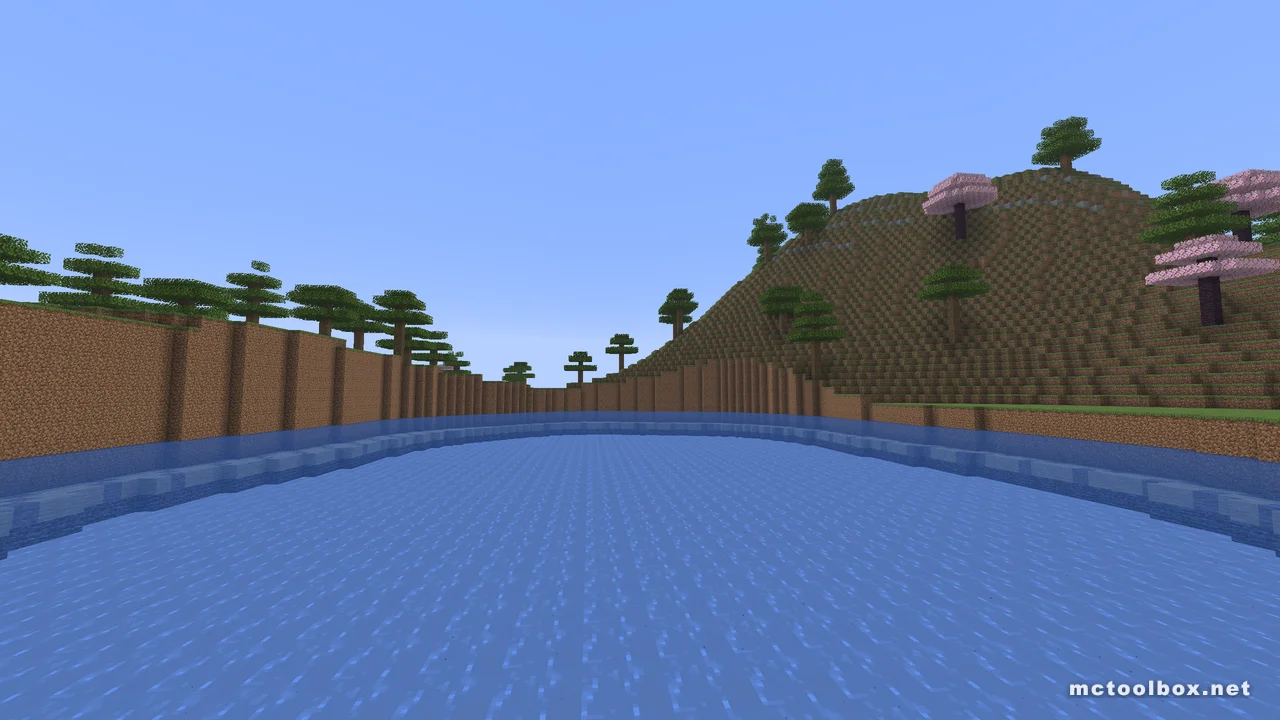
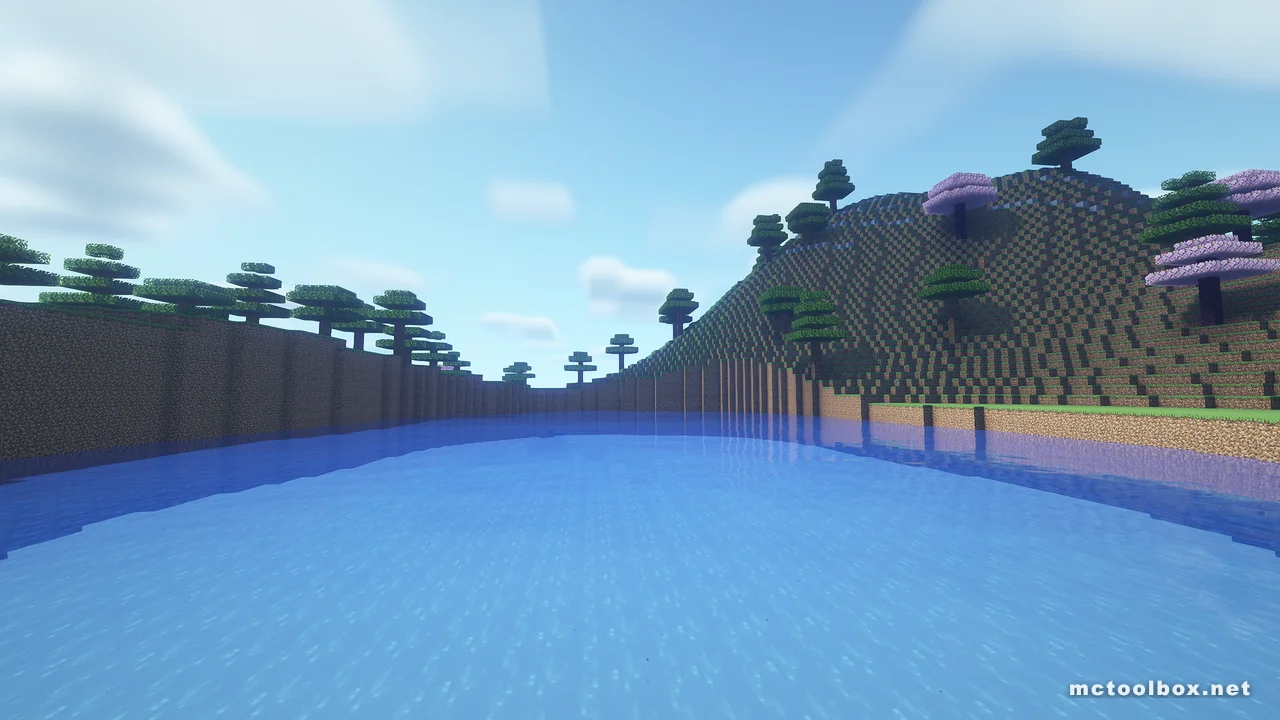
Standard Minecraft lighting treats direct sunlight as an unattenuated directional beam, creating harsh geometric contrast across hillsides. OPAL Shaders replaces this with a lightweight approximation of atmospheric scattering. Sunlight gently disperses through ambient air, producing a soft luminous horizon that gives open terrain tangible atmospheric depth.
Foliage beneath tree canopies receives subtle ambient occlusion without falling into pitch-black shadow, keeping intricate landscape builds clear and legible from long viewing distances.
Architectural framing: golden-hour solar bloom on complex builds
Testing lighting wrap-around and material contrast on cottagecore timber and stone
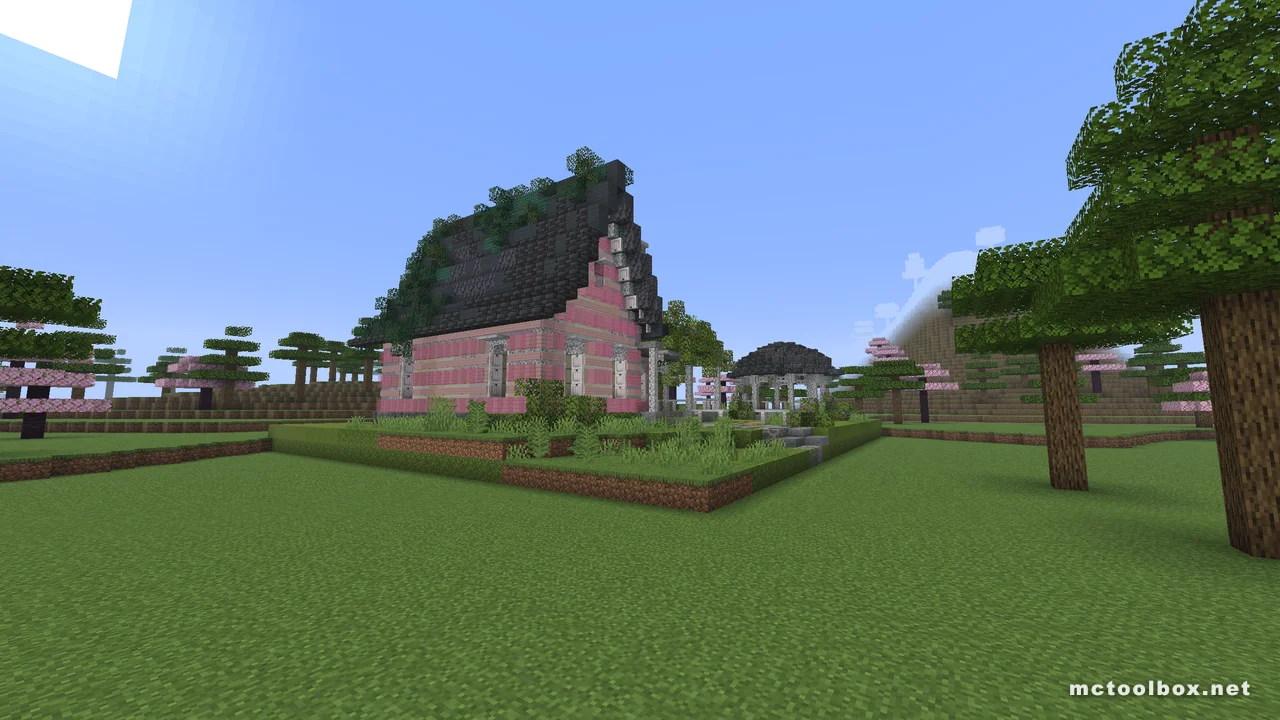
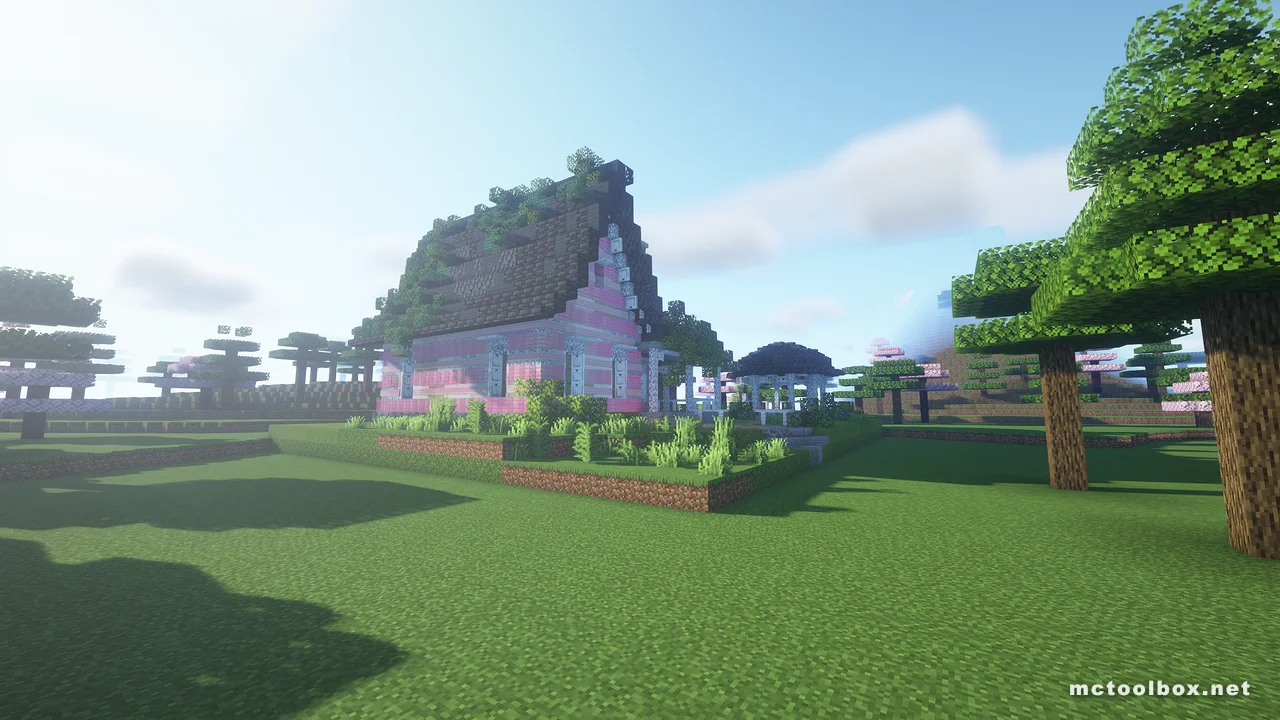
Sunset lighting is where OPAL Shaders demonstrates its distinct aesthetic character. As the sun dips toward the horizon, a warm solar haze wraps around building contours. Rather than applying a harsh orange color filter across the entire screen, OPAL Shaders diffuses the solar corona across roof ridges and garden structures.
Across a pink cottage layout featuring a floral gazebo and cobblestone path, low-angle solar rays highlight wood textures and garden foliage while preserving soft, realistic shadow gradations across the grass lawn.
Dielectric water optics and midnight terrain readability
Fresnel surface reflections and practical night-time survival visibility
Water in OPAL Shaders is rendered with dielectric physical properties: glancing angles mirror the sky via Fresnel reflections, while perpendicular angles look straight through to submerged lake beds with minimal optical distortion. This balance gives water a natural surface presence without impairing underwater resource gathering.
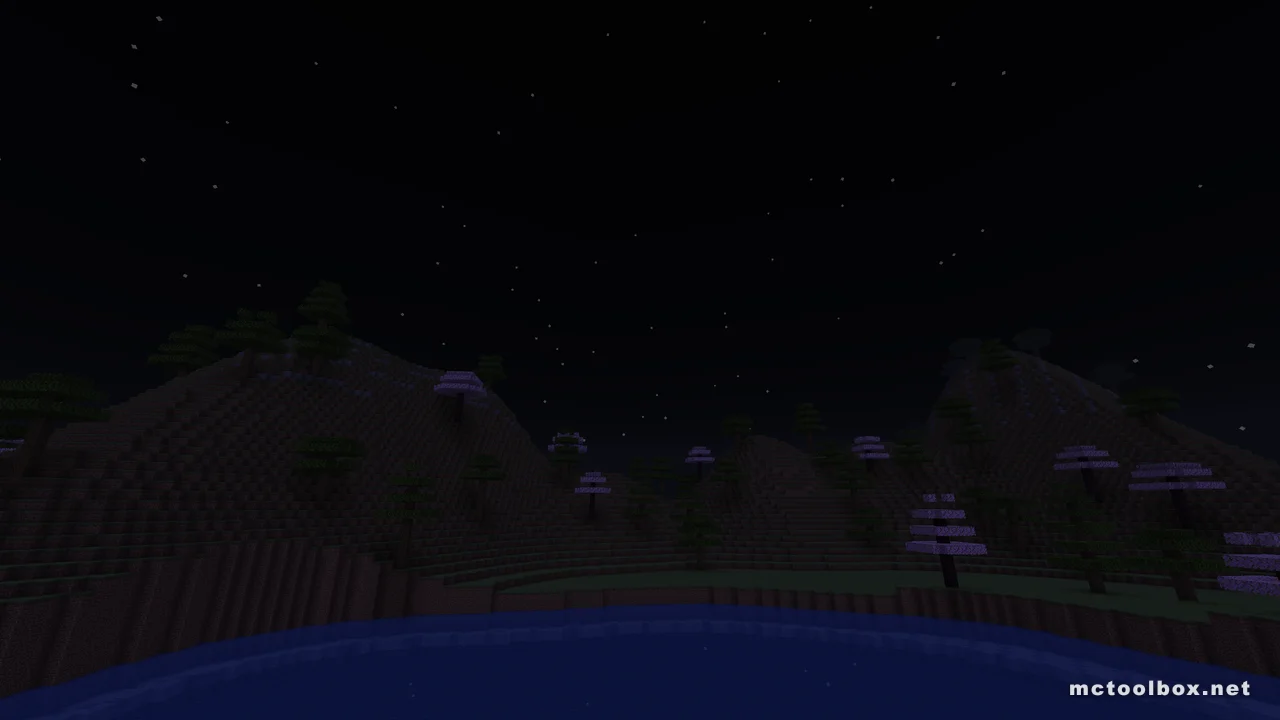
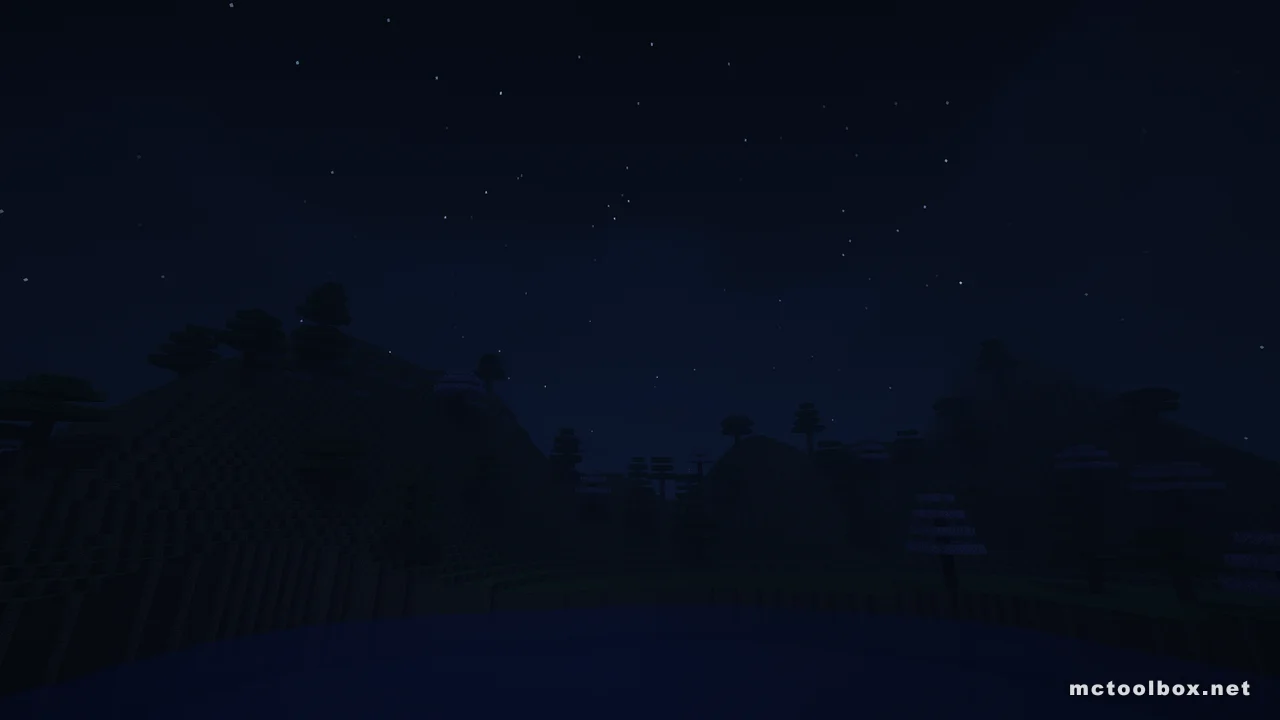
When night falls, OPAL Shaders paints the sky in deep navy and indigo tones, dotted with subtle stars. Crucially for survival players, ambient moonlight illuminates hillside silhouettes, allowing safe navigation and outpost monitoring without blinding darkness outside torch radii.
Trade-offs and competitor comparison
How OPAL Shaders compares to BSL, Complementary, and Mellow
To determine whether OPAL Shaders matches your setup, consider these technical trade-offs:
- OPAL Shaders vs. BSL Shaders: BSL utilizes a colder, high-contrast cinematic tone with heavier volumetric shadows. OPAL Shaders produces warmer, softer atmospheric daylight and gentler sun bloom.
- OPAL Shaders vs. Complementary Reimagined: Complementary includes integrated LabPBR specular roughness maps and 3D POM block height, which costs 20-25% more GPU compute. OPAL Shaders is significantly lighter, yielding 15-20 higher FPS on mid-range hardware.
- OPAL Shaders vs. Mellow Shaders: Mellow emphasizes low-contrast pastel tones, while OPAL Shaders maintains realistic directional solar angles with ethereal ambient scattering.
FPS benchmarks on modern Iris and Sodium
Recorded at 2560x1440 resolution on Fabric 0.19.3 + Iris 1.11.2
We recorded in-game frame rates on an isolated Minecraft 26.3 test instance at native 1440p (2K) resolution with a 10-chunk render distance on Fabric 0.19.3 + Sodium 0.9.1 + Iris 1.11.2:
- Vanilla Sodium Baseline: ~195 FPS average
- OPAL Shaders (Default Profile): ~152 FPS average (78% performance retention)
- OPAL Shaders (Fast Profile): ~174 FPS average (89.2% performance retention)
Because OPAL Shaders uses optimized forward rasterization without expensive volumetric ray marching steps, frame rates remain stable even during rapid boat travel across oceans.
Download links
We do not host Minecraft shader files directly. Download links go to the creator's official project pages.
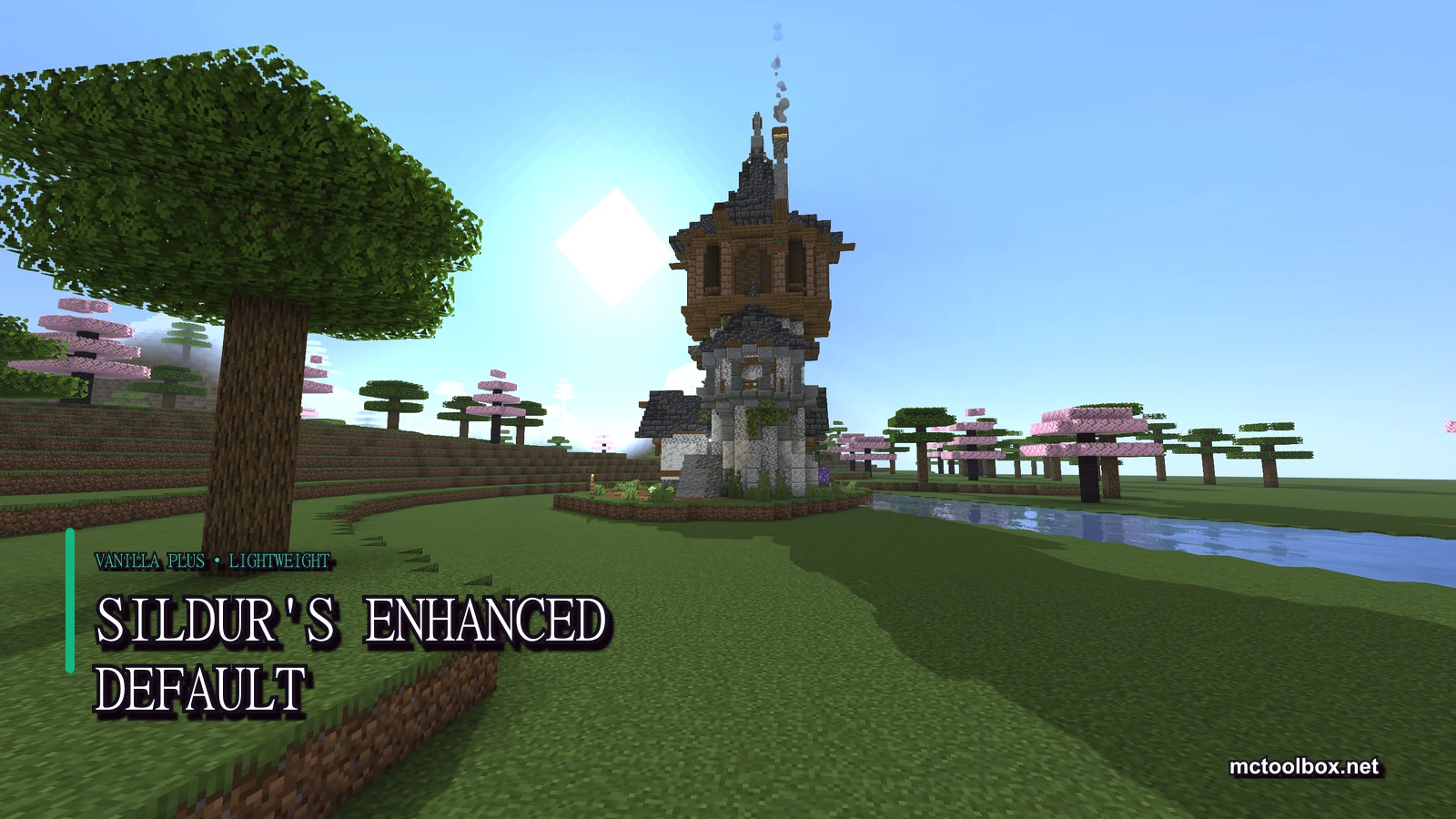
Sildur's Enhanced Default 1.20 - 26.3
Sildur's Enhanced Default by SildurFX upgrades Minecraft's lighting with real-time shadows and water reflections while preserving the game's original color palette and delivering exceptional framerates.
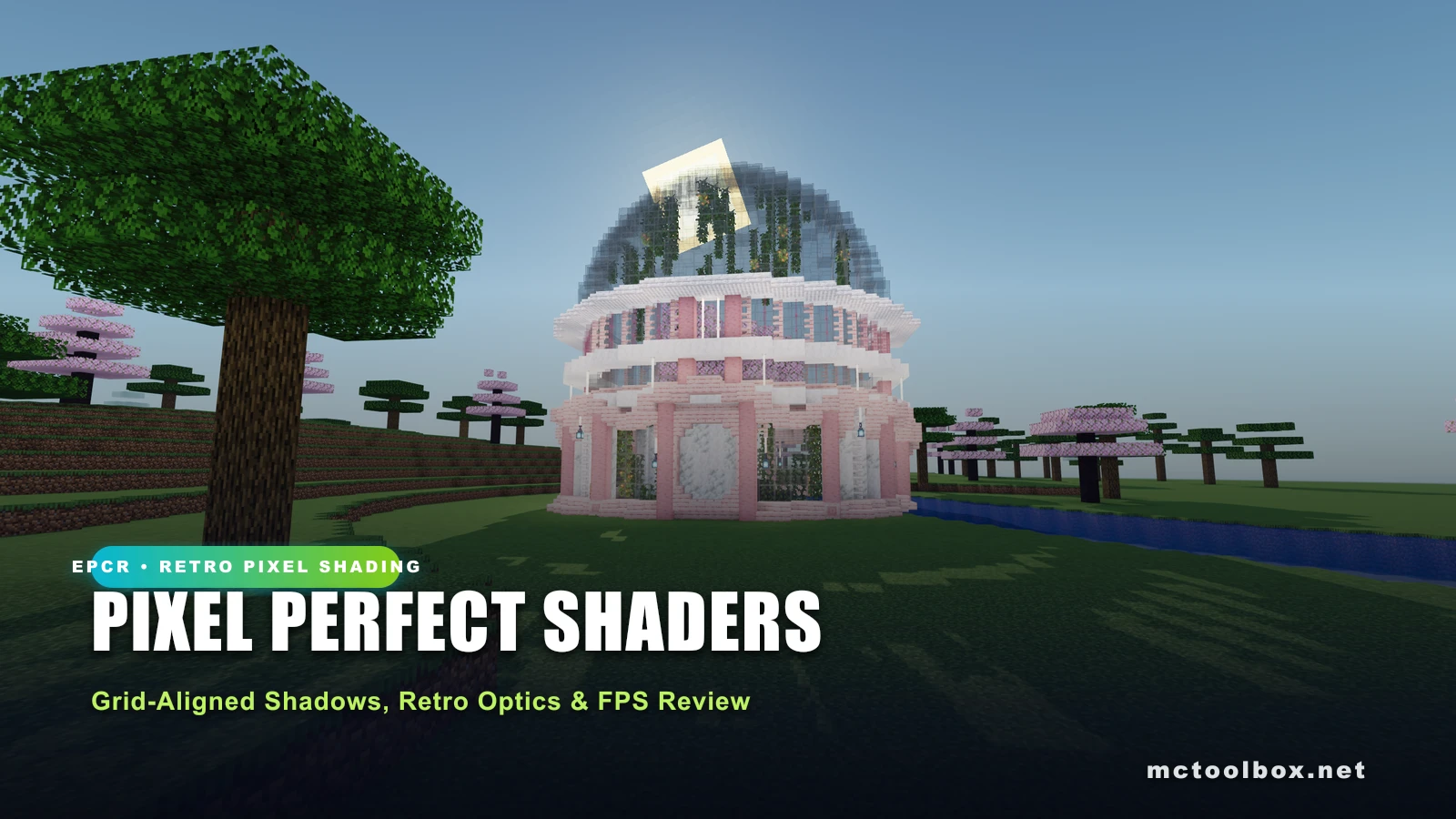
Pixel Perfect Shaders 1.20 - 26.3
Pixel Perfect Shaders by epcr introduces grid-aligned dynamic shadows and point-sampled retro lighting that harmonize perfectly with Minecraft's 16x16 pixel-art identity.
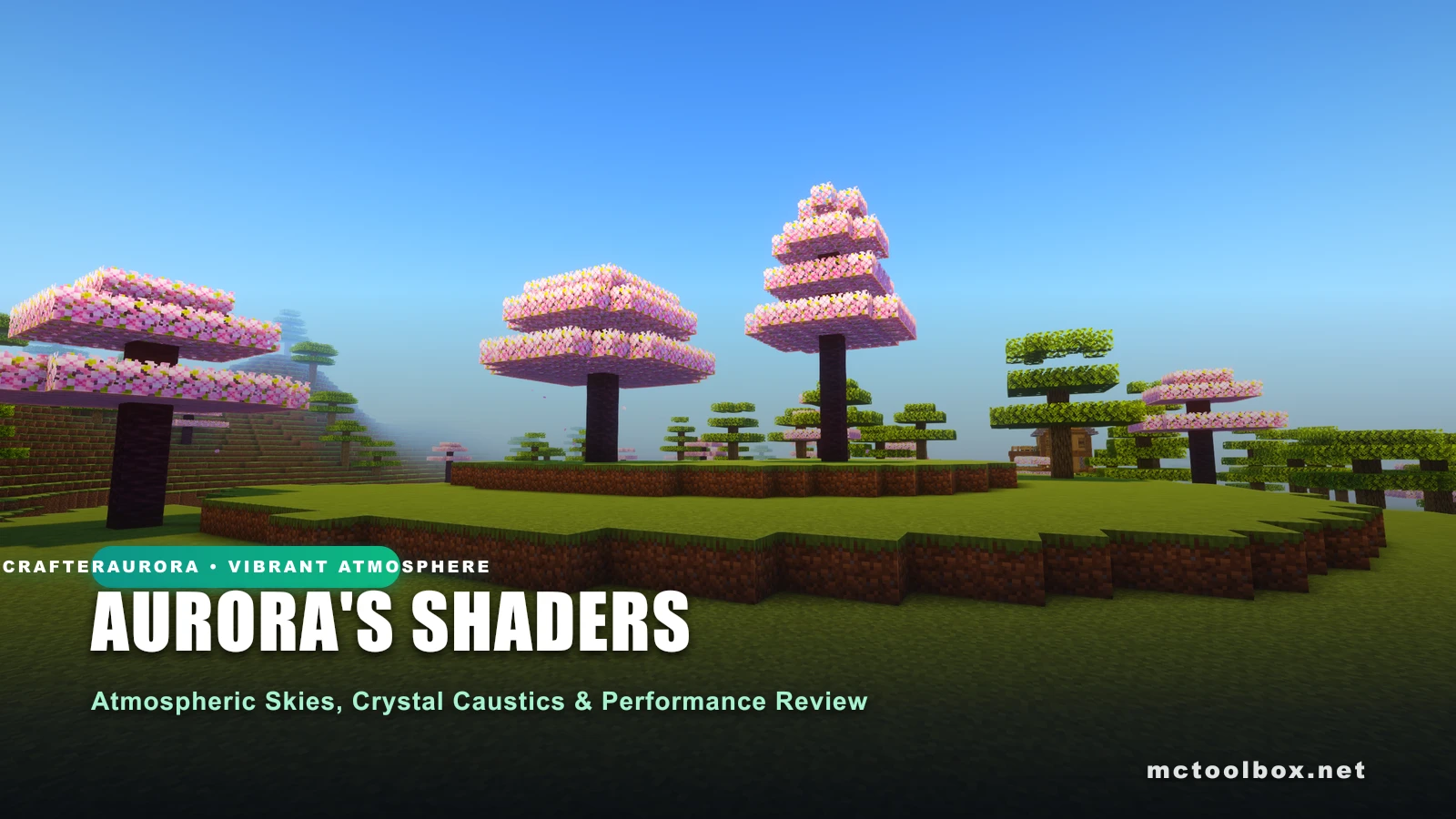
Aurora's Shaders 1.20 - 26.3
Aurora's Shaders by CrafterAurora transforms Minecraft into a colorful, lively world with punchy color grading, high-clarity water caustics, and accessible nocturnal lighting.