








Minecraft shader review
FastPBR Shader 1.20 - 26.3
Authentic LabPBR material optics, physical atmosphere simulation, and triple the FPS of Kappa by RRe36
Download FilesFastPBR by RRe36 delivers authentic Physically Based Rendering (PBR) and physical atmosphere scattering, offering full LabPBR texture support at triple the frame rate of heavy path-traced packs.
Shader Index6 sections
Physically Based Rendering (PBR) in Minecraft has traditionally meant severe performance penalties. Heavy shader engines calculate dozens of indirect light bounces and screen-space reflections, dragging mid-range gaming rigs down to 40-50 FPS. Veteran shader developer RRe36 (the author behind Kappa, Nostalgia, and Vanilla Plus) tackled this bottleneck directly with FastPBR.
With over 1.8 million downloads on Modrinth, FastPBR decouples the standard LabPBR 1.3 and OldPBR material pipelines from heavy ray-tracing algorithms. By leveraging a high-speed rasterized forward renderer, it calculates authentic surface roughness, metallic reflectivity, and physical atmospheric scattering at triple the speed of traditional PBR packs. FastPBR v2.0 runs smoothly on Minecraft 26.3 using Fabric, Iris, and Sodium.
LabPBR material optics: Roughness, metallic highlights, and normal mapping
How FastPBR handles realistic block textures without ray-tracing slowdowns
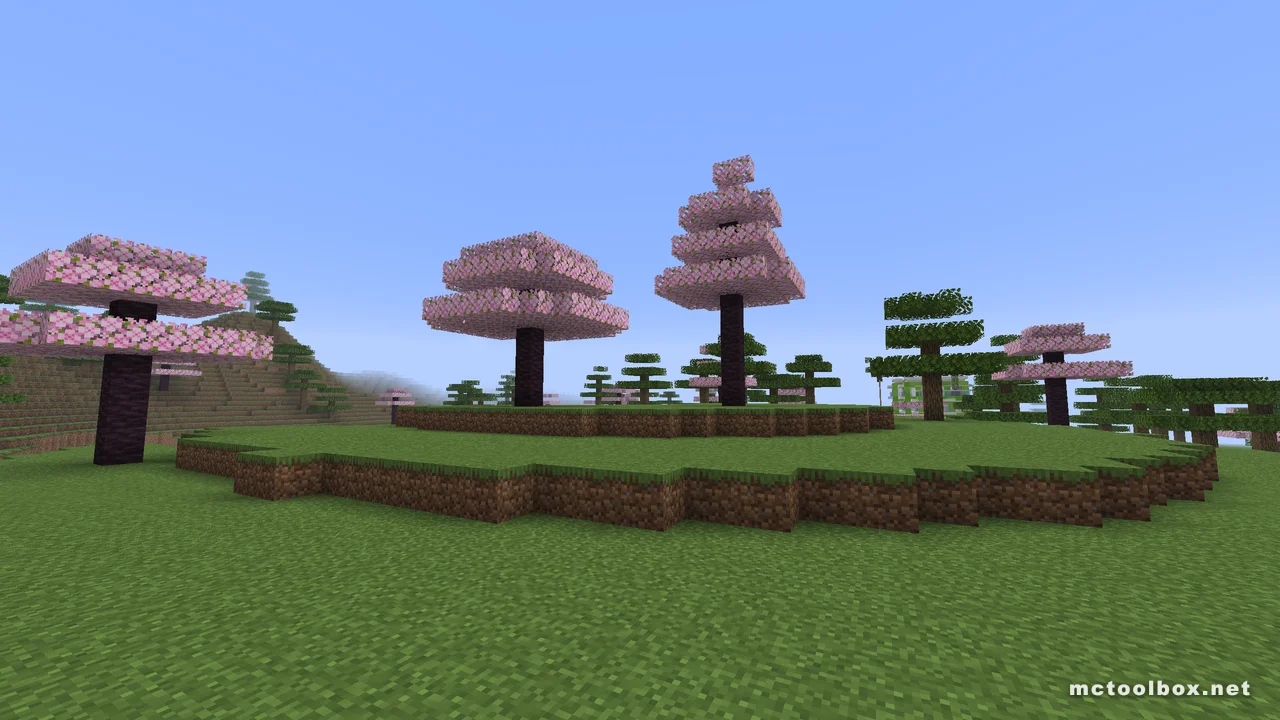
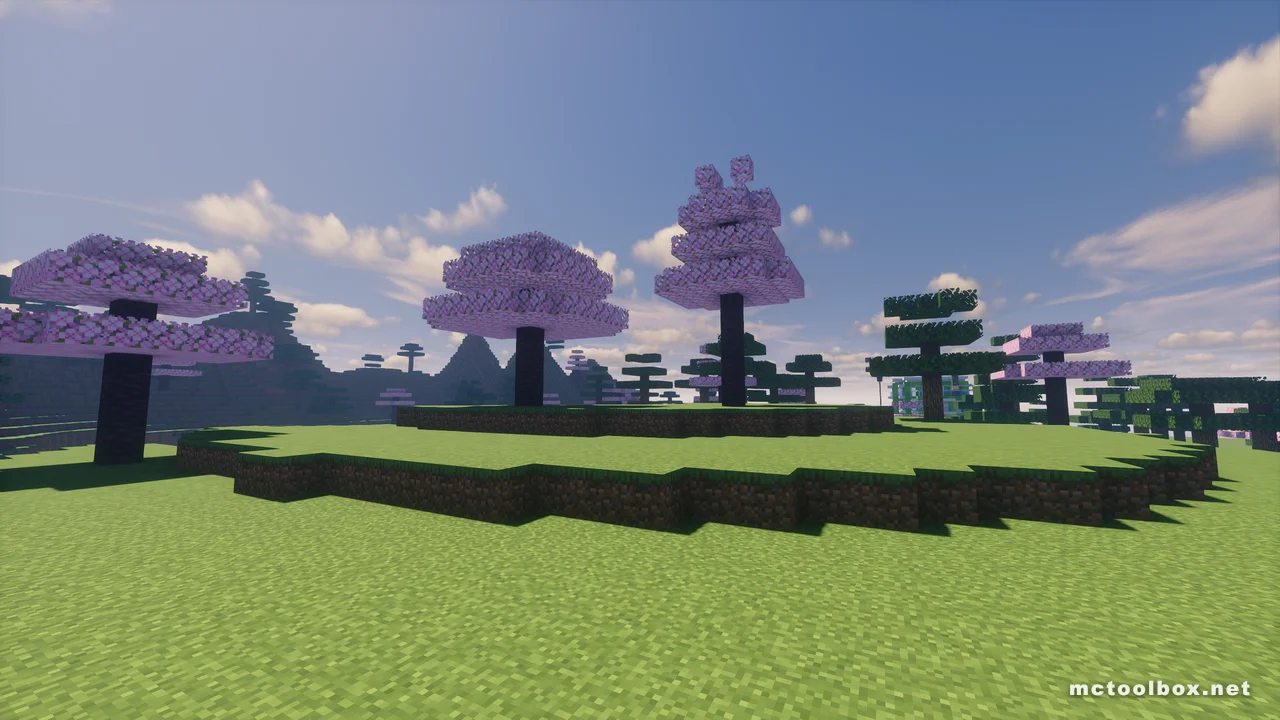
FastPBR is built specifically to adhere to the official LabPBR material standard. When paired with a PBR resource pack, smooth materials like polished andesite or cut copper exhibit sharp specular highlights, while rough surfaces like cobblestone and oak bark diffuse sunlight naturally.
In broad daylight, directional contact shadows ground every voxel step and foliage cluster. Instead of blurry temporal anti-aliasing masks, FastPBR preserves crisp block edge clarity during fast sprint-jumping, ensuring high-speed building and exploration remain precise.
Dielectric water simulation and sky mirroring
Fresnel cloud reflection with natural shoreline light absorption
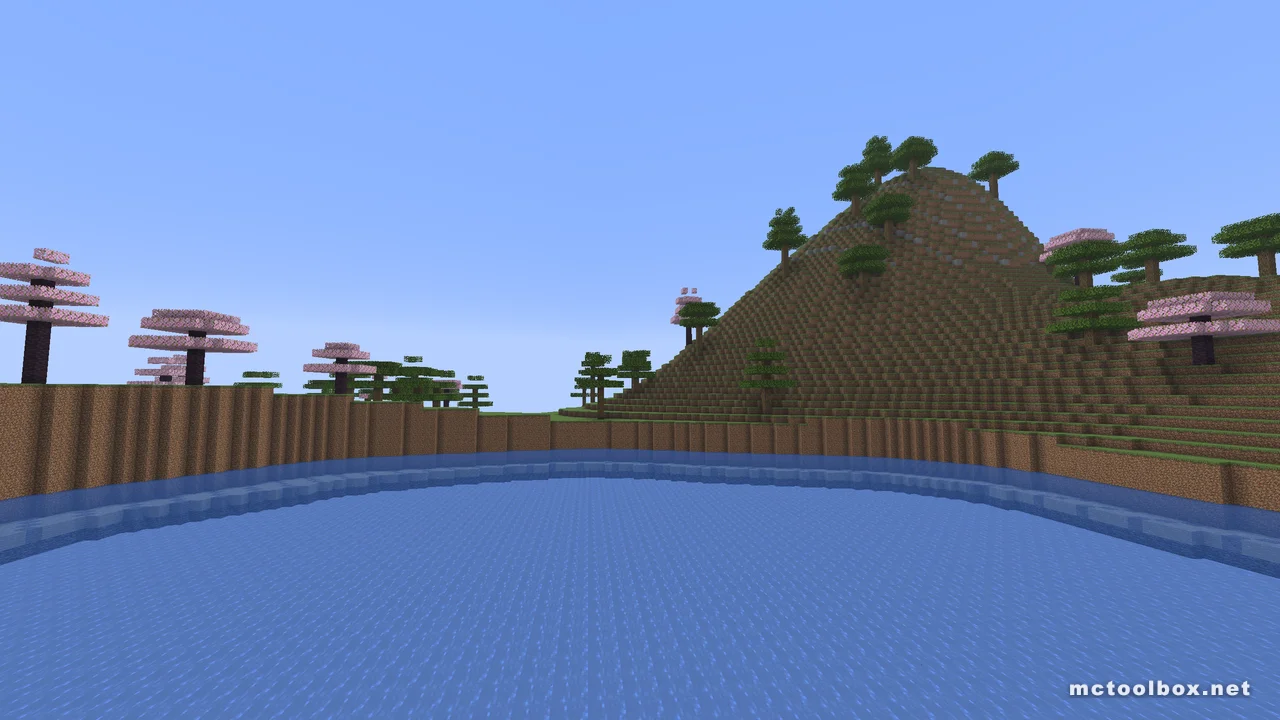
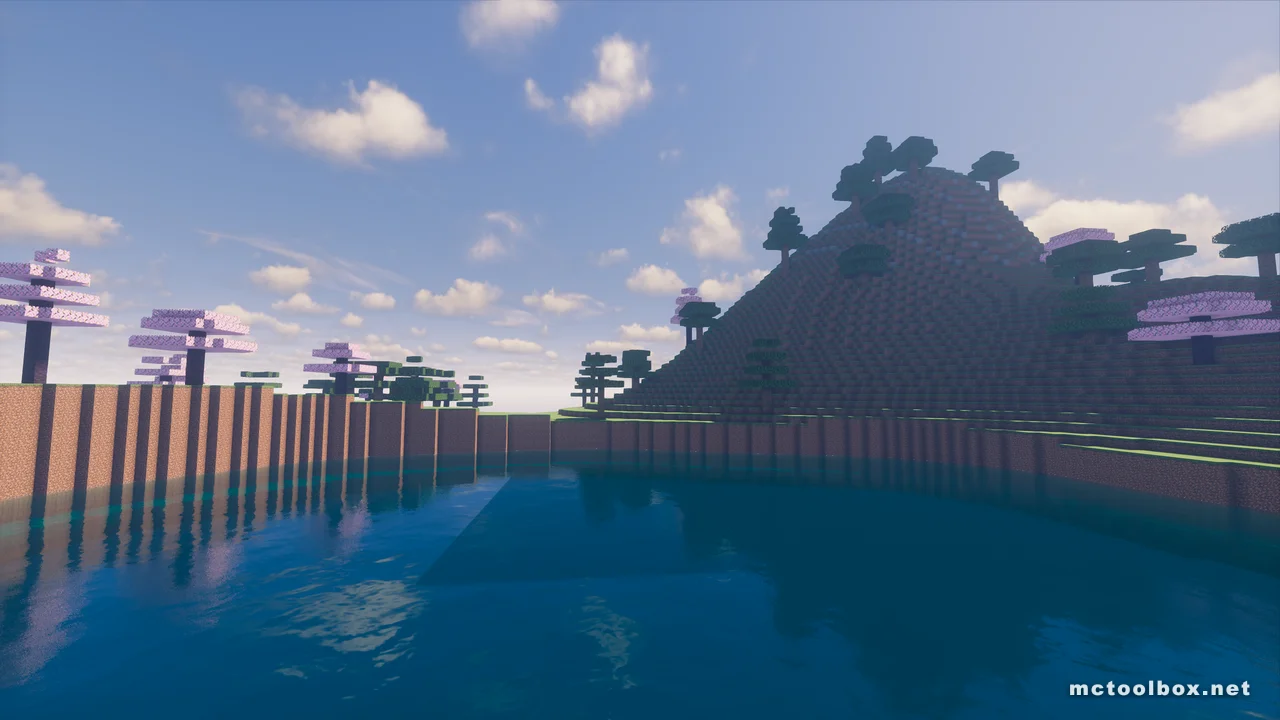
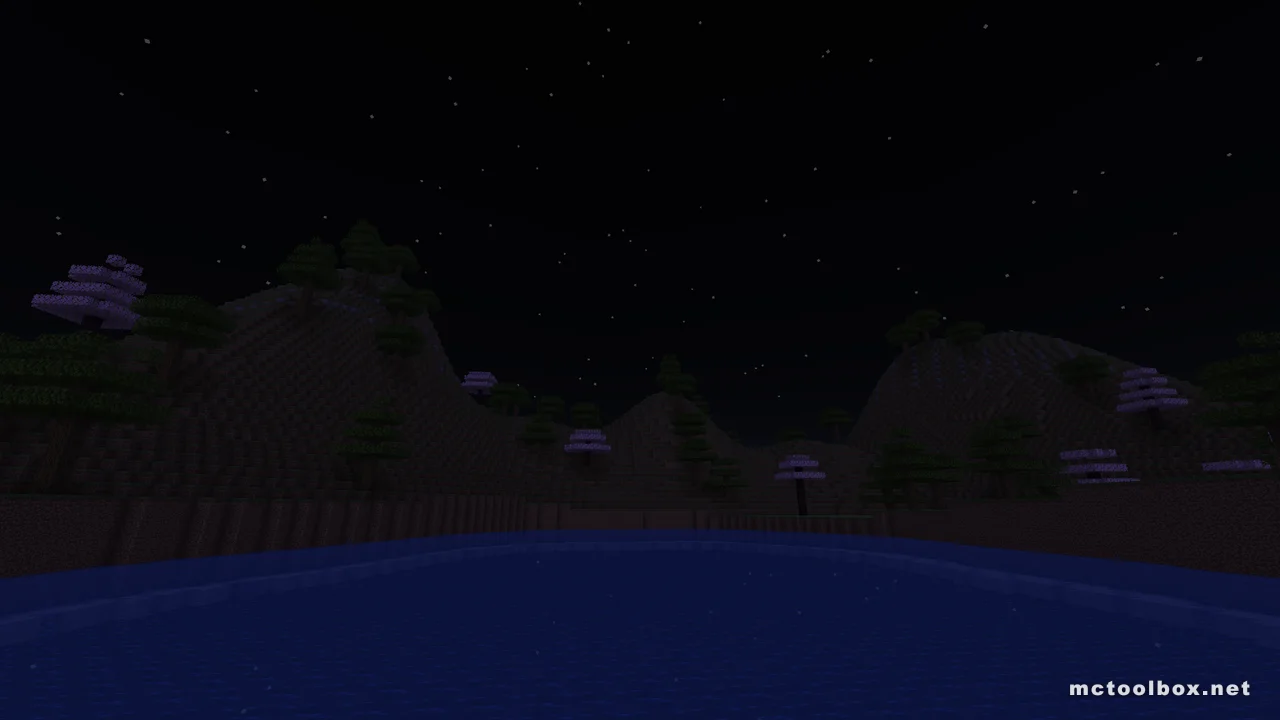
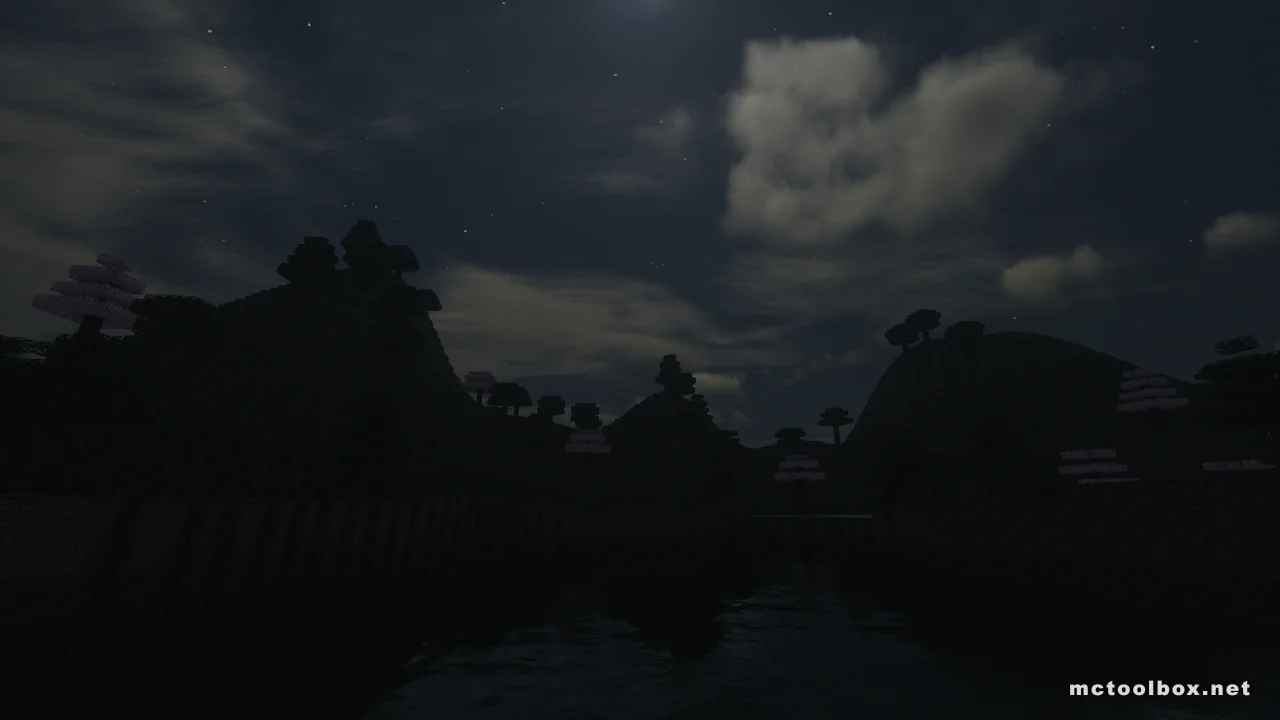
Water in FastPBR is computed using dielectric reflectance physics rather than generic blue color overlays. Looking across our test lake basin, the water mirrors the surrounding mountain ridges and volumetric cloud formations with mathematically accurate fresnel falloff.
Near the shoreline, gentle wave displacement produces realistic light refraction without blinding players searching for submerged ores, clay, or kelp.
Physical atmospheric scattering and architectural sunset
Calculated solar ray absorption across modern concrete and glass structures
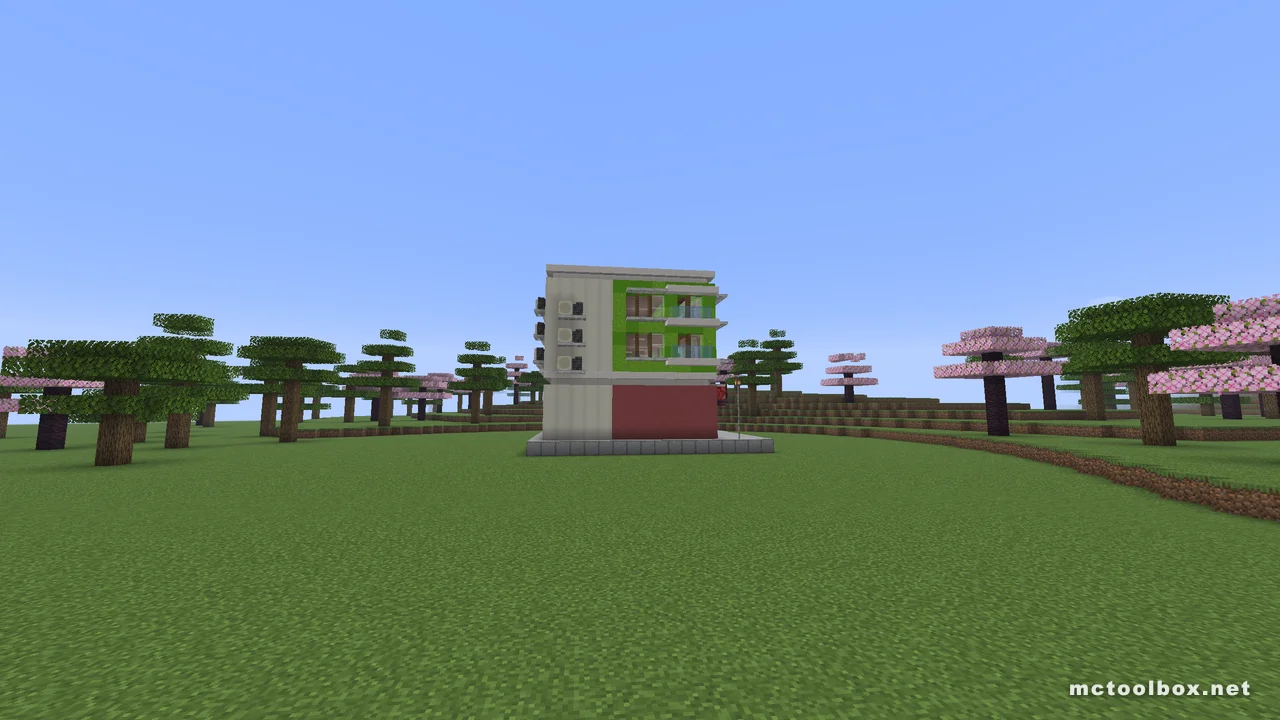
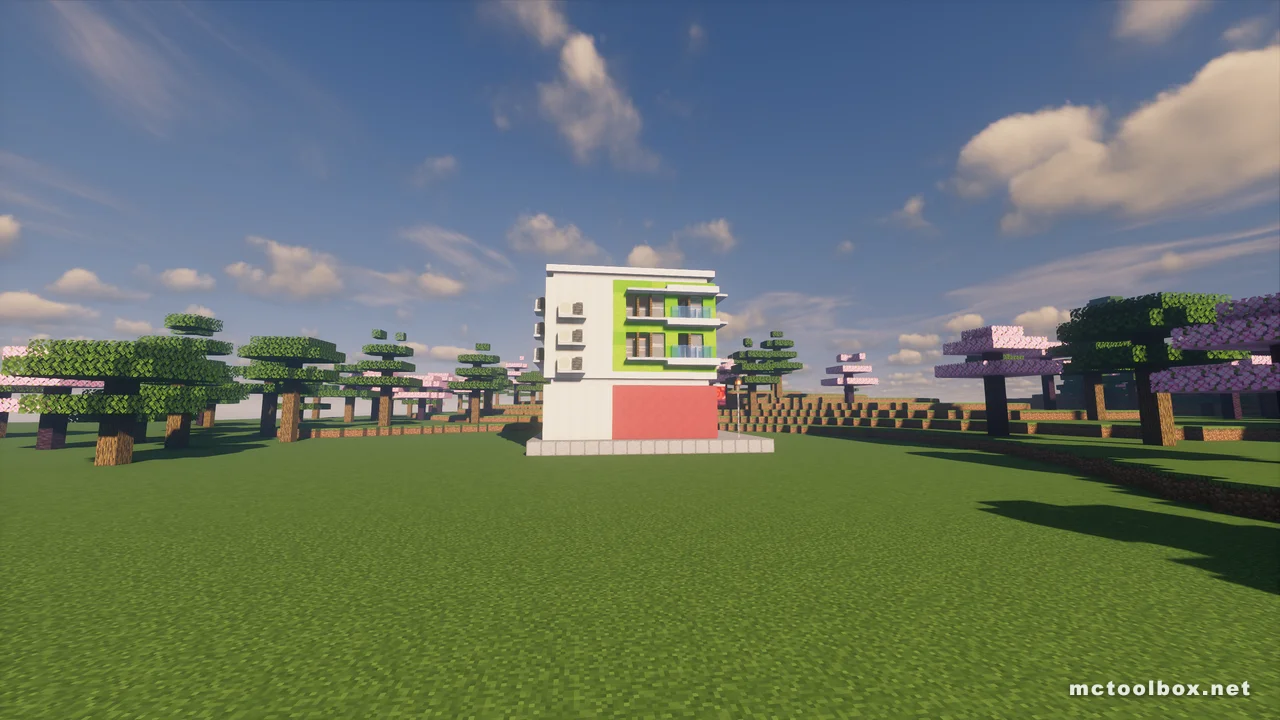
Rather than using pre-baked static skyboxes, FastPBR computes solar color transitions dynamically based on physical atmospheric Rayleigh and Mie scattering models. As the sun lowers, blue wavelengths scatter away, leaving warm amber and rose tones that illuminate building facades.
In our modern architectural scene, white concrete walls, glass railings, and timber frames catch directional highlights cleanly without artificial haloing.
Head-to-head comparison: FastPBR vs. Kappa vs. Complementary
Choosing between raw framerate, extreme realism, and stylized PBR
To understand where FastPBR fits in the shader ecosystem, compare it against its closest alternatives:
- vs. Kappa (by RRe36): Kappa represents RRe36's flagship cinematic engine with full multi-layer volumetric clouds, screen-space ray tracing, and path-traced atmospheric fog, but runs at 45-60 FPS on mid-range hardware. FastPBR trims the heavy ray calculations, delivering nearly identical material PBR fidelity at 148-170 FPS (nearly triple the performance).
- vs. Complementary Unbound: Complementary relies heavily on custom internal PBR approximations that work out of the box without texture packs. FastPBR is built strictly around external LabPBR 1.3 standards, making it the superior choice if you already use dedicated 3D/PBR resource packs.
- vs. Nostalgia Shader (by RRe36): Nostalgia recreates the warm, nostalgic aesthetic of early 2012 SEUS shaders. FastPBR is built for modern architectural realism and high-fidelity texture materials.
Hardware benchmarks and performance retention
FPS data measured at 2560x1440 resolution on Fabric 0.19.3 + Iris 1.11.2
We recorded in-game frame rates on an isolated Minecraft 26.3 test instance at native 1440p (2K) resolution with a 10-chunk render distance:
- Sodium Baseline (Shaders Disabled): ~195 FPS average
- FastPBR (Default Profile): ~148 FPS average (76% performance retention)
- FastPBR (Low Profile): ~170 FPS average (87% performance retention)
FastPBR proves that PBR material rendering does not require high-end RTX hardware to run smoothly.
Download links
We do not host Minecraft shader files directly. Download links go to the creator's official project pages.
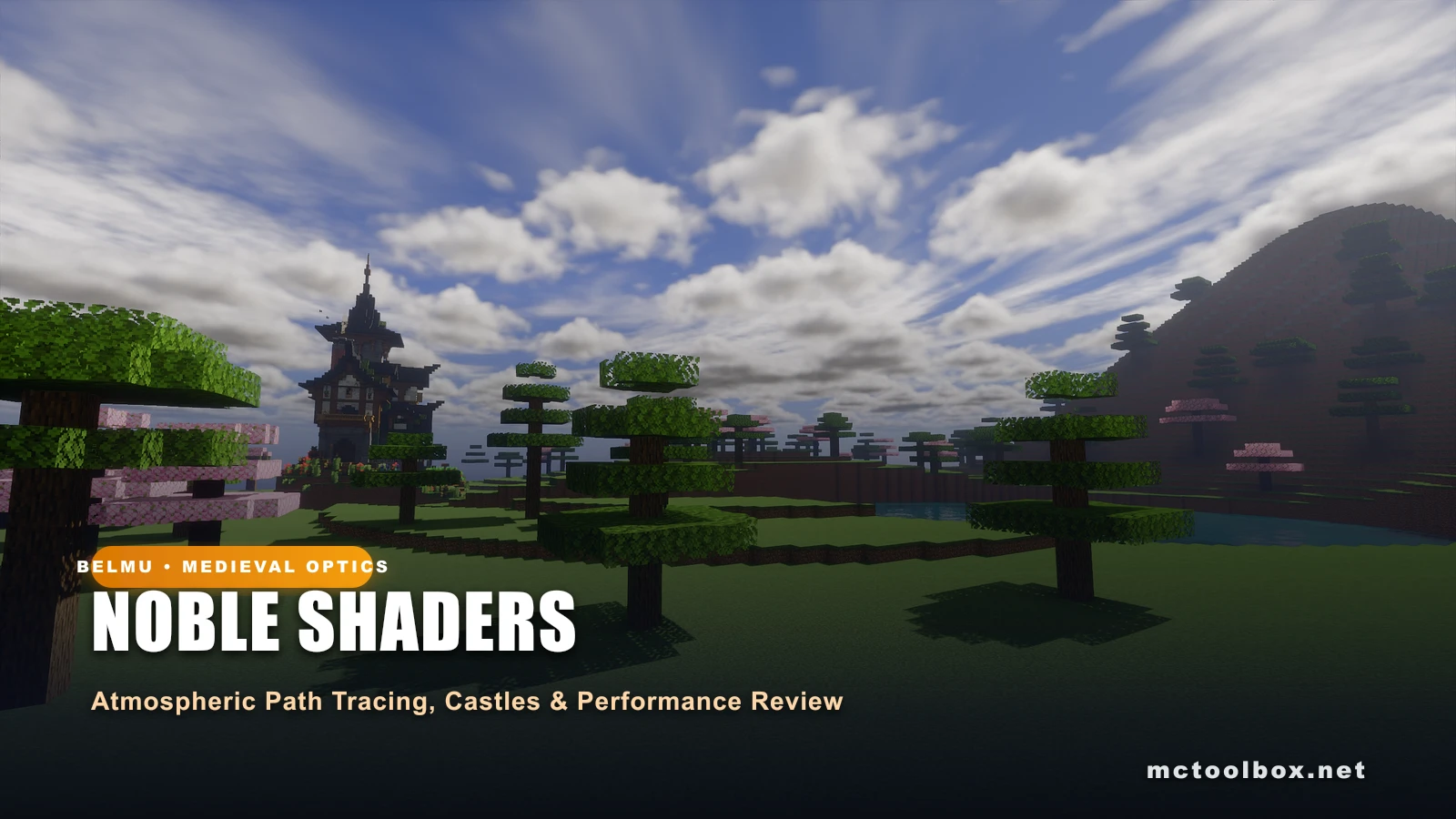
Noble Shaders 1.20 - 26.3
Noble Shaders by BelmuTM brings atmospheric path-traced lighting, deep masonry ambient occlusion, and warm lantern radiance tailored for medieval fortresses and European architecture.
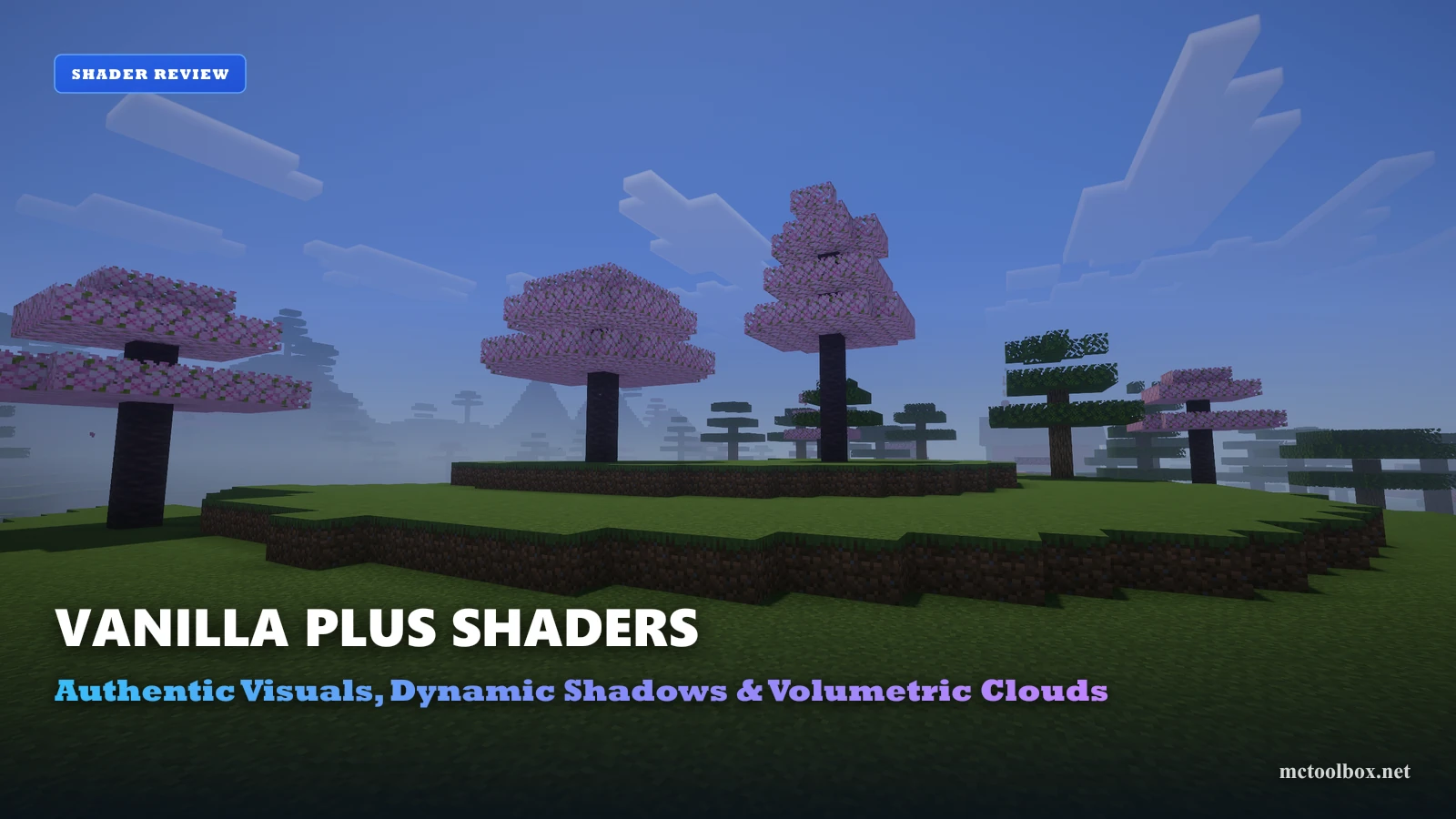
Vanilla Plus Shader 1.21 - 26.3
Vanilla Plus by RRe36 enhances Minecraft with real-time dynamic shadows, 3D volumetric blocky clouds, and gentle plant waving while keeping the original game colors intact.
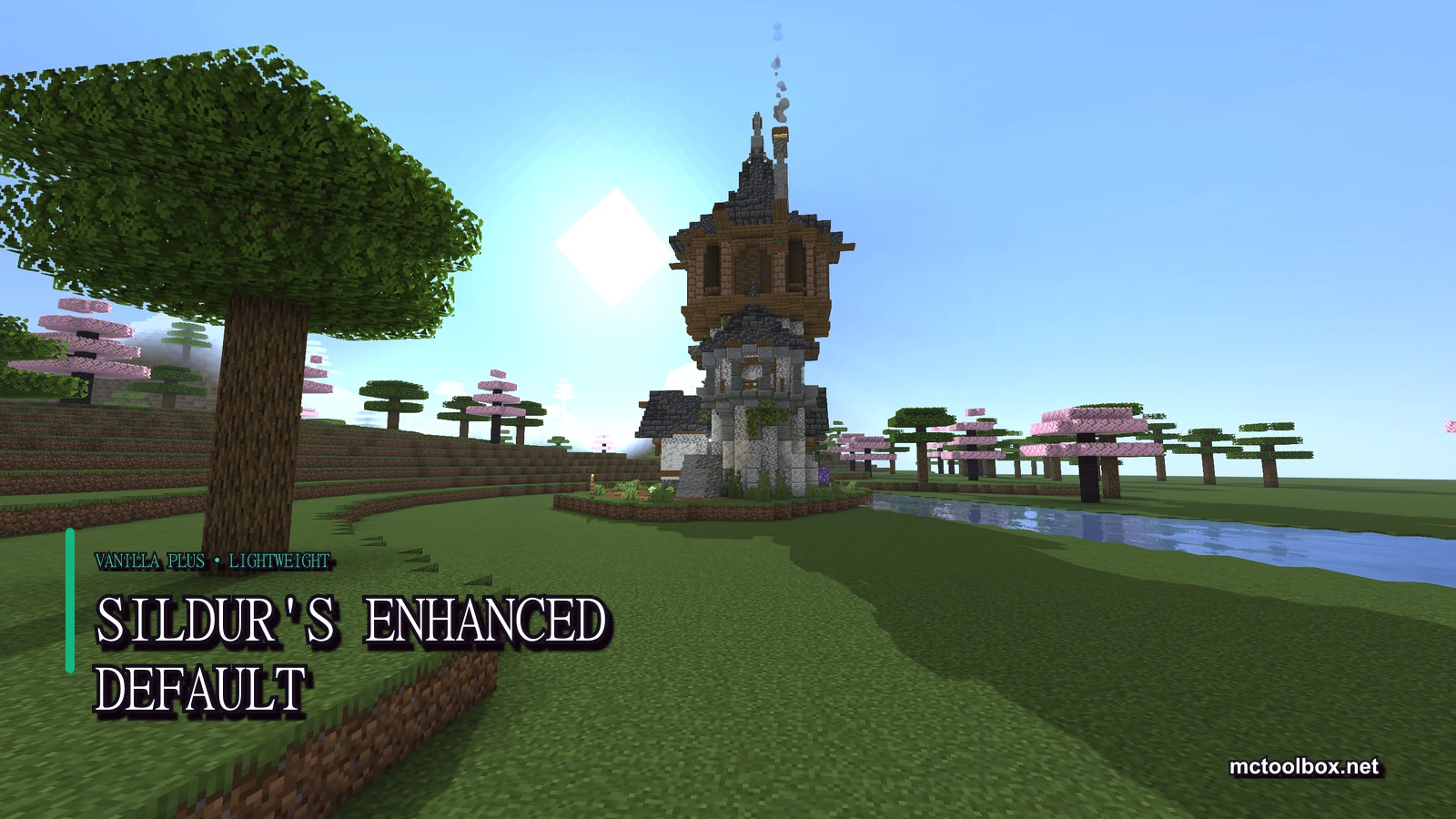
Sildur's Enhanced Default 1.20 - 26.3
Sildur's Enhanced Default by SildurFX upgrades Minecraft's lighting with real-time shadows and water reflections while preserving the game's original color palette and delivering exceptional framerates.